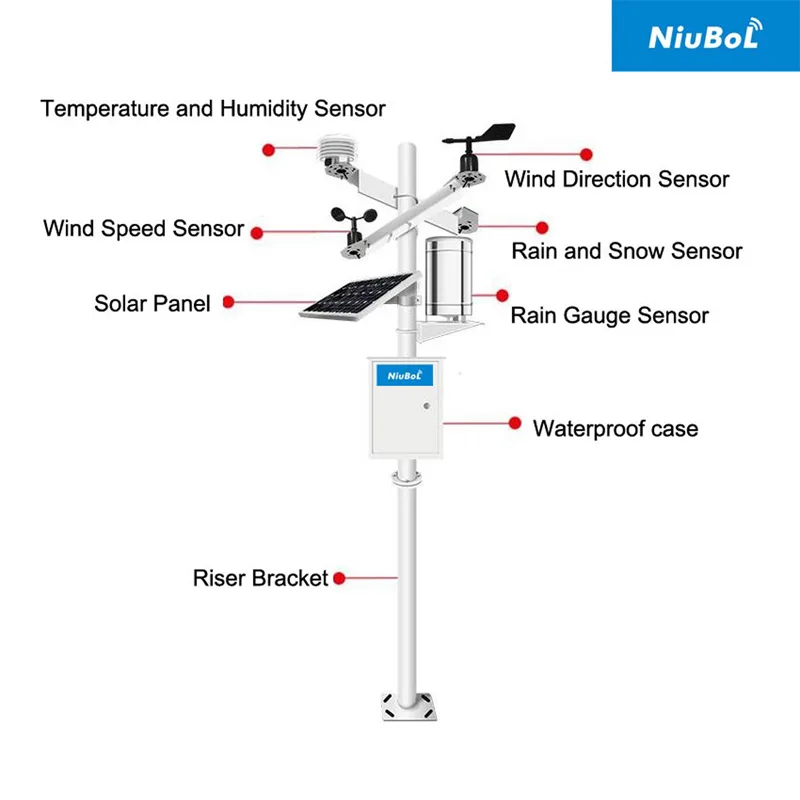
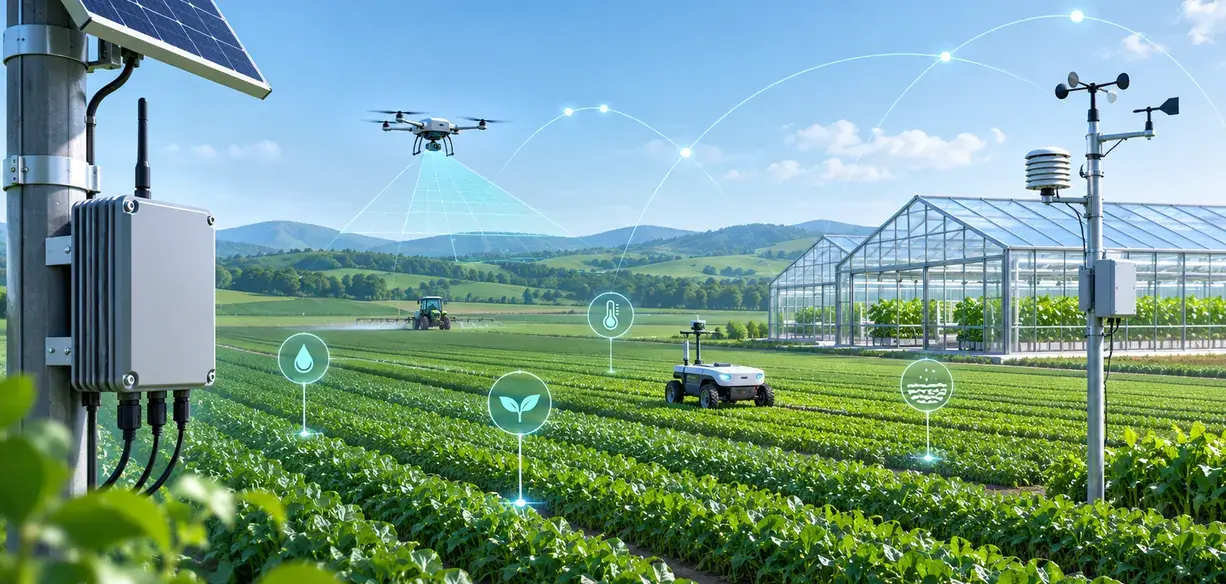
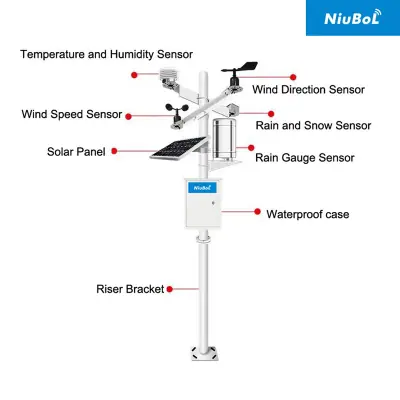
| Agricultural Weather Station | Typical Measurements: Core Weather + Rainfall + Solar Radiation + Soil Moisture / Temperature + Leaf Wetness as required; Typical Configuration: Sensors + Data Logger + Remote Communication + Optional Solar Power |
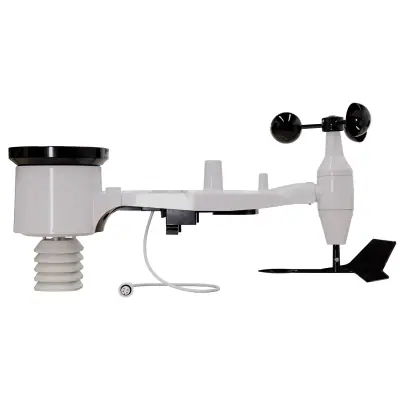
| Basic Weather Station | Typical Measurements: Temperature, Humidity, Pressure, Wind Speed, Wind Direction, Rainfall; Typical Configuration: Modular sensors or an integrated 6-parameter weather sensor |
| Calibration / Documentation | Project-specific calibration, test report or certification requirements |
| Cloud / Server — Cloud platform or customer private server | Data visualization, storage and system integration |
| CO2 — CO2 Sensor | Greenhouses, environmental and industrial monitoring |
| Communication | Local monitoring vs 4G, Ethernet, Wi-Fi or LoRaWAN |
| Communication — 4G / Ethernet / Wi-Fi / LoRaWAN depending on system architecture | Transmit monitoring data remotely |
| Communication — Typical Site | Selection Consideration |
| Configuration Flexibility | High; individual sensors can be selected independently |
| Data Destination | Cloud platform, private server, PLC / SCADA or local storage |
| Enregistreur de données | Number of interfaces, local storage and communication requirements |
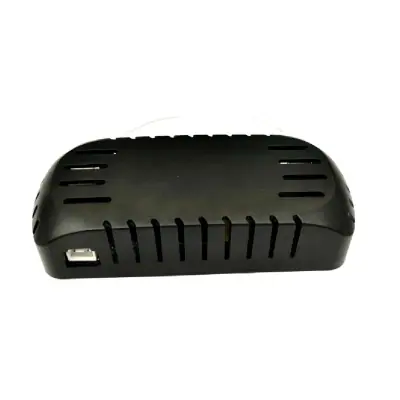
| Data Logger / IoT Gateway — RS485, analog, pulse or other compatible acquisition interfaces | Collect, record and process sensor measurements |
| Environmental Monitoring Station | Typical Measurements: Weather + PM2.5 + PM10 + Noise + CO2 according to project; Typical Configuration: Weather / Environmental Sensors + IoT Gateway |
| Ethernet — Factories, campuses and fixed facilities | Suitable where a wired network is available |
| Hydrometeorological Station | Typical Measurements: Weather + Rainfall + Optional Water Level / Flow; Typical Configuration: Weather Sensors + Hydrological Sensors + Telemetry |
| Montage | Several mounting positions and brackets |
| Installation Item | Recommendation |
| LoRaWAN — Distributed low-power sensor networks | Requires compatible nodes, sensors and gateway architecture |
| Maintenance | Individual sensors can be inspected or replaced separately |
| Maintenance Access | Allow safe access for cleaning, inspection, calibration and battery maintenance. |
| Measurement parameters | Number and type of weather, agricultural or environmental sensors |
| Measurement — Sensor Option | Typical Application |
| Mounting Hardware | Pole height, brackets, enclosure and site-specific accessories |
| Mounting System — Weather station pole, sensor brackets, enclosure and accessories | Support and protect field equipment |
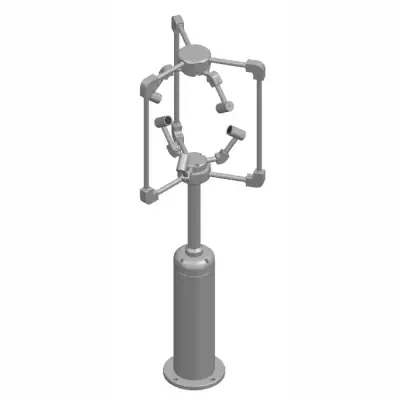
| Multiple Weather Parameters — All-in-One Ultrasonic Weather Sensor; 5-in-1 to 10-in-1 configurations | Compact remote and distributed weather stations |
| Noise — NBL-W-NS Noise Sensor | Urban, transportation and industrial monitoring |
| PAR / PPFD — NBL-W-PARS PAR Sensor | Agriculture, greenhouses and plant research |
| PM2.5 / PM10 — PM2.5 & PM10 Sensor | Air-quality, urban and environmental monitoring |
| Alimentation | Existing power vs solar panel and battery system |
| Power Supply — DC / AC / Solar Panel + Battery | Provide continuous station power |
| Produits | Weather Stations |
| Pyranometer / PAR | Maintain correct leveling and avoid unintended shading. |
| Quantity | Trial quantity, total number of stations and future deployment requirements |
| Rain Gauge | Install level with unobstructed exposure to rainfall and keep the collector opening clean. |
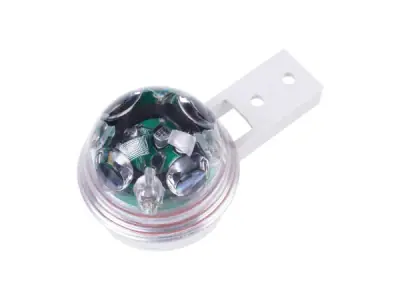
| Rainfall — Tipping Bucket Rain Gauge; or a piezoelectric rainfall sensor | Meteorology, agriculture, hydrology and flood monitoring |
| Range & Accuracy | Required measurement ranges, resolution, accuracy and any applicable technical standard |
| Research Station | Typical Measurements: Core Weather + Pyranometer / PAR + Project-Specific Sensors; Typical Configuration: Modular Independently Selected Sensors |
| Selection Item | Information to Confirm |
| Sensor Architecture | Separate modular sensors or an integrated ultrasonic sensor |
| Sensor Structure | Separate wind, rainfall, radiation and atmospheric sensors |
| Type de capteur | Separate modular sensors or an integrated ultrasonic weather sensor |
| Site Selection | Choose an open and representative monitoring location. |
| Snow Depth — NBL-W-SNOW Ultrasonic Snow Depth Sensor | Cold-region, alpine and winter weather monitoring |
| Soil Moisture; & Temperature — Soil Moisture & Temperature Sensor | Agriculture, irrigation and soil monitoring |
| Solar Panel | Install where sufficient solar exposure is available. |
| Solar Radiation — NBL-W-HPRS Pyranometer / Solar Radiation Sensor | Meteorology, agriculture, solar energy and research |
| System Component — Typical Configuration | Function |
| Temperature &humidity | Use a representative ventilated position with appropriate radiation protection. |
| Typical Selection | Agriculture, research and customized monitoring projects |
| Visibility — Atmospheric Visibility Sensor | Roads, airports, ports and meteorological monitoring |
| Wi-Fi — Greenhouses, buildings and managed sites | Requires reliable Wi-Fi coverage at the station |
| Wind Direction — NBL-W-DS Wind Direction Sensor; or an ultrasonic wind sensor | Meteorological, agricultural and environmental wind monitoring |
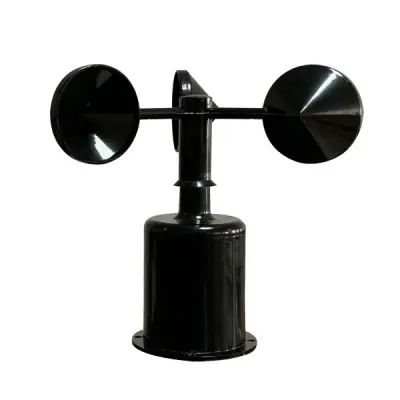
| Wind Measurement | Cup anemometer + wind vane or a separate ultrasonic wind sensor |
| Wind Sensor s | Avoid nearby buildings, trees, poles and other obstacles that create turbulence or wind shielding. |
| Wind Speed — NBL-W-SS 3-Cup Wind Speed Sensor; or an ultrasonic wind sensor | Weather stations, agriculture, ports and transportation |