
Reading a 1D barcode or a 2D QR code
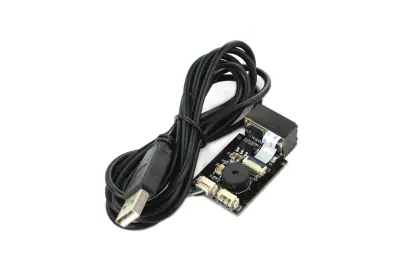
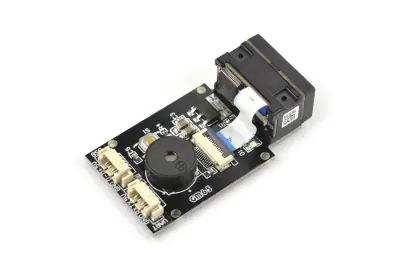
A linear 1D barcode is read along one direction and carries little information. A 2D code, such as a QR code or a DataMatrix, relies on a matrix of cells and can be read in any direction. The DFRobot GM65 module (DFR0660) and the DFRobot GM77 module (SEN0512) are presented as barcode and QR code readers. Before settling on a choice, check the list of supported symbologies in the datasheet, because not every code is handled in the same way.
Embedded module or handheld terminal
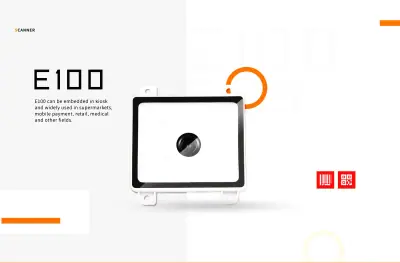
To add reading inside a machine, a module is mounted within the equipment and driven by the host board. The RAKINDA LV3296 from RAKwireless and the 2D Embedded Barcode Scanner E100 from HPRT follow this approach. For an operator who moves around, handheld terminals fit better: the Industrial Handheld Barcode Scanner N180 from HPRT, the HN-35 and HN-72 series from iDPRT, or the DT40 from Urovo with its built-in keypad. Check how each device passes its data to your software.
Fixed readers on a conveyor or at a control point
A fixed reader stays in place and reads the items that pass in front of it. The Seuic HS200C, a wired model, and the Seuic HS325DP, an industrial wireless model, cover control points. The 2D Barcode Scanner from iDPRT and the H201 2D Wireless Scanner from Chafon complete this family. For a checkout or a control station, compare the link (USB or wireless), the reading distance and the output protocol, which must match your controller or your software.
Five items to check in the datasheet
Before ordering, note the symbologies read, the reading distance and field of view, the link and its protocol, the protection rating of the device and its compatibility with your operating system. For a terminal, add the battery life and the drop resistance stated by the manufacturer. These figures do not transfer from one model to another, even when the names look alike.
How Atlas prepares your quotation
Send us the number of reading points, the code types, the mounting you need (fixed or handheld), the link you prefer and the environment of use. Atlas Electronics reviews the request, proposes the catalogue references that match it and quotes the full list on quotation. Your team validates the datasheet of each device before commissioning.
Frequently asked questions
What is the difference between a 1D and a 2D scanner?
A 1D scanner reads linear codes made of parallel bars. A 2D scanner reads matrix codes, such as the QR code and the DataMatrix, which store more information in a small area. A 2D reader usually reads 1D codes as well; check this in the datasheet.
Is a module enough for a production line?
It depends on the integration. A module is driven from your board or your controller, whereas a fixed reader works on its own with an output to your system. Tell us your architecture so that we can propose the suitable reference.
What do you need to request a quotation?
The number of stations, the symbologies to read, the link, the environment (indoor, outdoor, humidity) and the quantities. Atlas Electronics quotes the list on quotation.
Products mentioned
H201
UHF RFID Readers
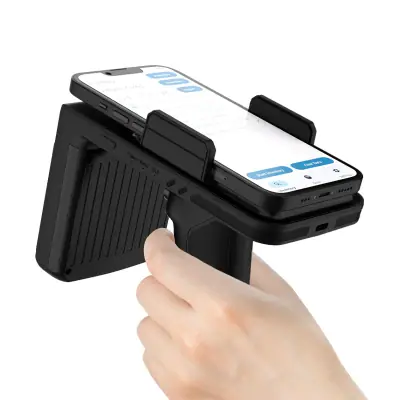
Wireless portable 2D barcode scanner · Ref. : H201
- 48° (H) x 30° (V)
- 300,000 global CMOS
- 5%-95% non-condensing
Price on request
GM77
Embedded Scan Engines
Compact Barcode and QR Code Scanning Module · Ref. : SEN0512
- 0~100000lux
- ≥25%
- Red LED
Price on request
GM65
Embedded Scan Engines
CMOS QR and barcode scanner module with USB/UART · Ref. : DFR0660
- 0~86000lux
- 617nm LED
- USB, UART
Price on request
E100
Handheld Barcode Scanners
Embedded 2D barcode scanner, induction trigger · Ref. : E100
- 5VDC±5%
- CE FCC RoHS
- 0~100, 000LUX
Price on request
N180
Handheld Barcode Scanners
Industrial 2D handheld barcode scanner · Ref. : N180
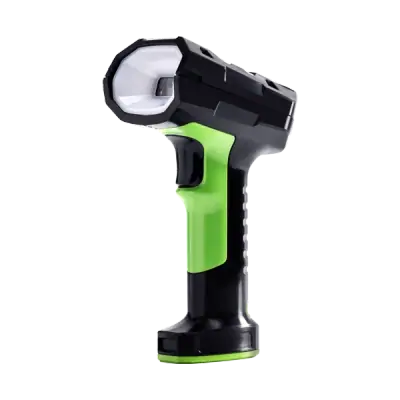
- 2.4 m
- -30~50℃
- IP65
Price on request
HN-3308SR
Handheld Barcode Scanners
Handheld corded optical reader · Ref. : 2D-BARCODE-SCANNER
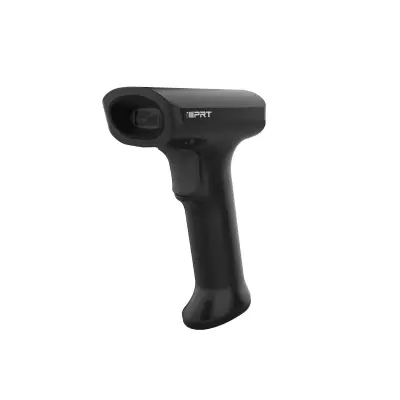
- Red light
- CE FCC
- 93*63*166
Price on request
HN-35
Handheld Barcode Scanners
CMOS 1D/2D Handheld Barcode Scanner · Ref. : HN-35
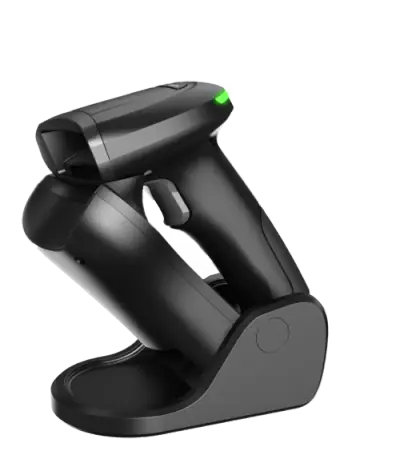
- CMOS
- 640*480【GS】
- ≥3mil
Price on request
HN-72
Handheld Barcode Scanners
Cordless 1D/2D handheld barcode scanner · Ref. : HN-72
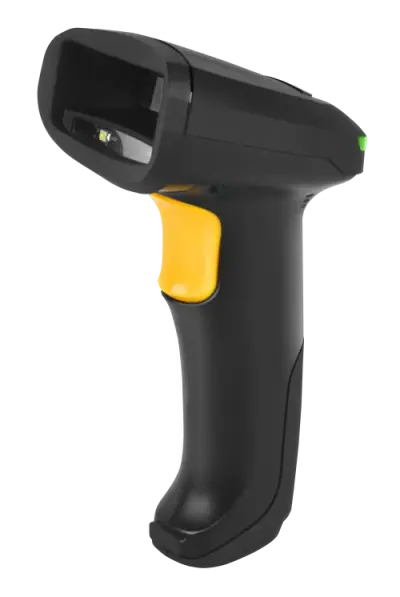
- CMOS
- 1280*1080【GS】
- ≥3mil
Price on request
A project? Our engineers build the solution with you.
Send your requirements: Atlas proposes the architecture, the bill of materials and a quotation, then follows the supply.
Request a quotation