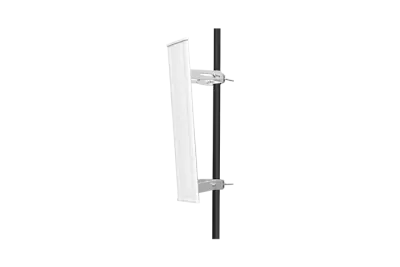
UMA-D
Omnidirectional Antennas
Dual-band 2.4 GHz and 5 GHz omnidirectional antenna, dual-linear polarization · Ref. : UMA-D

- Anatel: 06187-19-08356
- 25 dB
- 30 dB
Price on request

Warehouses, basements and metal buildings block the mobile signal. A signal booster with an outdoor antenna and indoor antennas brings the operator’s signal inside where it is missing.
Architecture
From the field to the uplink: each role of the chain and the product families that fill it.
Outdoor directional antenna and indoor panel or omnidirectional antennas.

This is an architecture pattern, not a certified reference design. Verify every interface, rating and certification in the datasheets.
Products
Omnidirectional Antennas
Dual-band 2.4 GHz and 5 GHz omnidirectional antenna, dual-linear polarization · Ref. : UMA-D
Price on request
Omnidirectional Antennas
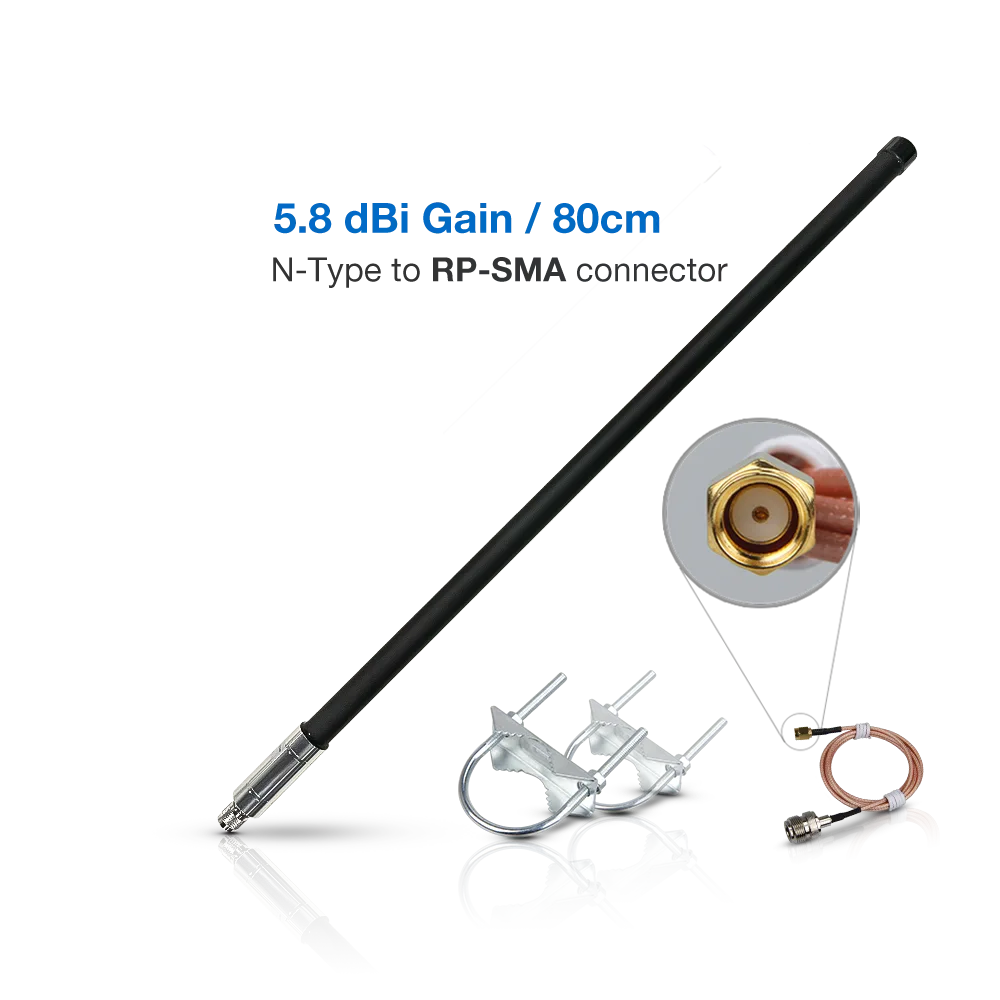
Omnidirectional Fiberglass Dipole Antenna 5.8 dBi LoRa
Price on request
Panel Antennas
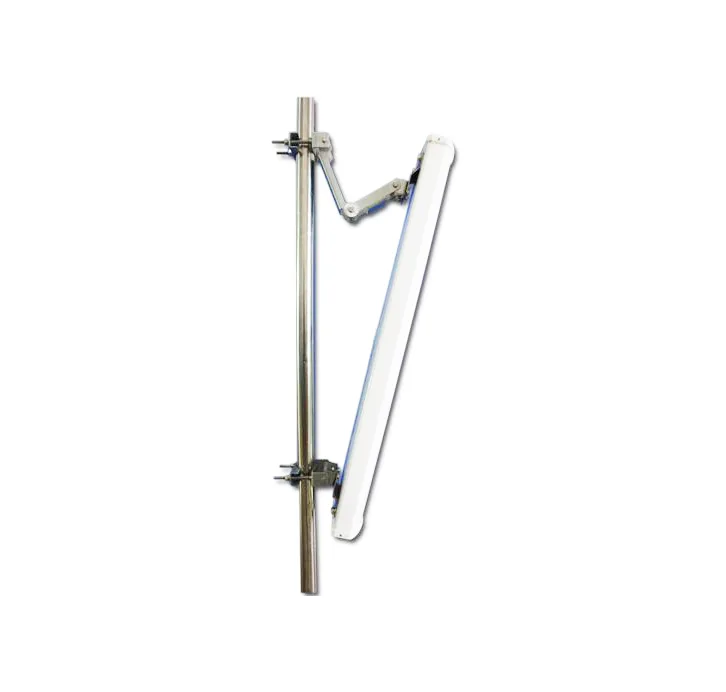
5.8 GHz panel antenna 18 dBi vertical polarization · Ref. : SETCOR-PANEL-ANTENNA
Price on request
Panel Antennas
Flat Panel SOTM Ku-Band 0.9 m Antenna With Auto Tracking · Ref. : OTM90
Price on request
Omnidirectional Antennas
Multiband 5G omnidirectional antenna, Wi-Fi 6E, Bluetooth and GPS · Ref. : R920
Price on request
Cellular Signal Boosters and Repeaters
Smart Cellular Signal Booster 4G LTE with LCD Monitoring · Ref. : HSL12652
Price on request
Omnidirectional Antennas
Triple-lens camera drone with 100 MP 4/3 CMOS sensor
Price on request
Cellular Signal Boosters and Repeaters
Dual-band 4G LTE cellular signal booster with MGC · Ref. : OEM-FACTORY-FOR-2023-AGC-MGC-DOUBLE-BAND-CELLPHONE-SIGNAL-BOOSTER-MOBILE-SIGNAL
Price on request
Omnidirectional Antennas
Six-month accessory kit for robot vacuum cleaner
Price on request
Omnidirectional Antennas
Omnidirectional GNSS and 4G LTE waterproof antenna · Ref. : BF4GGNSSGBX50X49SJL2000
Price on request
Panel Antennas
Outdoor Directional Panel 11g Antenna · Ref. : 14DBI
Price on request
Omnidirectional Antennas
Dual band 2.4 GHz and 5 GHz omnidirectional antenna · Ref. : 2.4G/5GHZ
Price on request
Omnidirectional Antennas
Omnidirectional marine 4×4 MIMO antenna 617-3800 MHz · Ref. : OMNI-414
Price on request
Omnidirectional Antennas
Edge AI box with NVIDIA Jetson Orin NX and serial ports · Ref. : OMNI-BOX
Price on request
Panel Antennas
14 dBi Directional Panel Antenna, Multiband
Price on request
Cellular Signal Boosters and Repeaters
DALI signal amplifier with integrated bus power supply · Ref. : PRODUCT100000402848365
Price on request
Panel Antennas
High accuracy radar water level sensor with panel antenna · Ref. : 51009064-00
Price on request
Omnidirectional Antennas
360-degree omni scanning sonar system for vessels · Ref. : FSV-85
Price on request
Panel Antennas
Directional MIMO 2-port panel antenna for WiFi 6E · Ref. : TPC-4972-17D
Price on request
Omnidirectional Antennas
Low-profile omnidirectional 2.4 GHz external antenna · Ref. : CTRF-ANTENNA-EX-2450-8116-IPEX
Price on request
Omnidirectional Antennas
13.2 dBi Collinear Omnidirectional Outdoor Antenna · Ref. : 13.2DBI
Price on request
Omnidirectional Antennas
Omnidirectional Fiberglass Dual-Band Antenna 144/430 MHz · Ref. : MA05
Price on request
Omnidirectional Antennas
Omnidirectional whip antenna 868/915 MHz · Ref. : GT-800-WHIP-ANTENNA
Price on request
Panel Antennas
5 GHz dual polarity sector antenna 19 dBi · Ref. : ANT19-5G120
Price on request
Industries
Documentation and resources
Before choosing
No advertising or analytics cookies. A single, strictly necessary cookie is set only if you sign in to your account. Your quote basket and comparison stay in your browser. Details