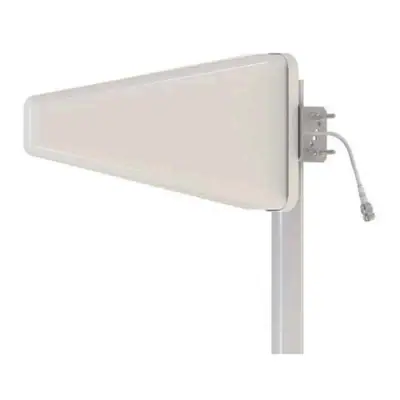
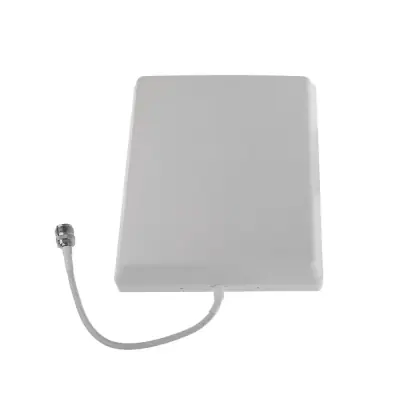
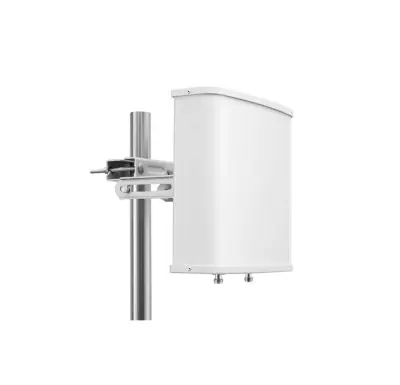
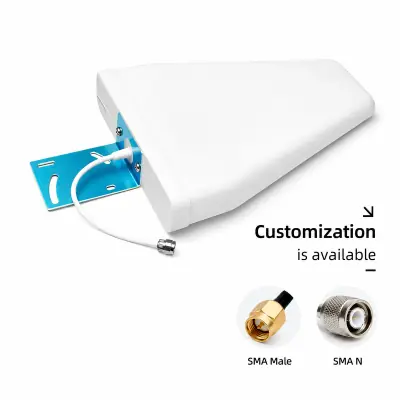
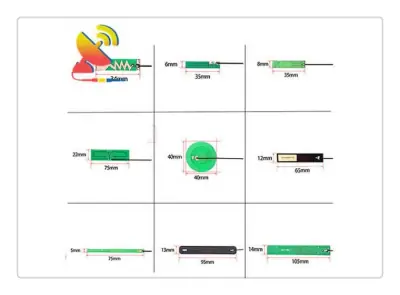
BBT-0660LP1011V065
Cellular 4G and 5G Antennas
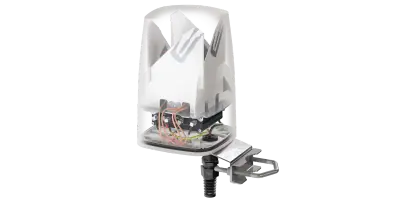
5G DAS log-periodic wideband antenna · Ref. : 698-6000MHZ
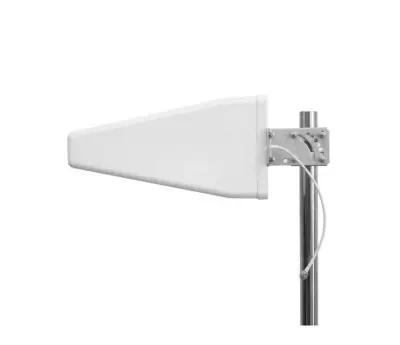
- RG58U
- 25cm
- N-Female
Price on request
This family holds cellular-only antennas. It includes omnidirectional models such as the Poynting SWIRL-8 (5G/LTE, 8×8 MIMO), directional panels such as the QuWireless S45-17HV-65-4 (4x4 MIMO, 17 dBi) and module antennas such as the Seeed Studio 110061502 for an LTE Cat 4 mini-PCIe module. Stated ranges start at 617 or 698 MHz; several 5G panels reach 3.8-4.2 GHz.
for your industrial applications
Cellular 4G and 5G Antennas
5G DAS log-periodic wideband antenna · Ref. : 698-6000MHZ
Price on request
Cellular 4G and 5G Antennas
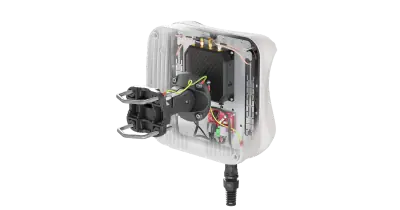
Omnidirectional 5G/LTE multiband IP68 antenna with enclosure · Ref. : A501S
Price on request
Cellular 4G and 5G Antennas
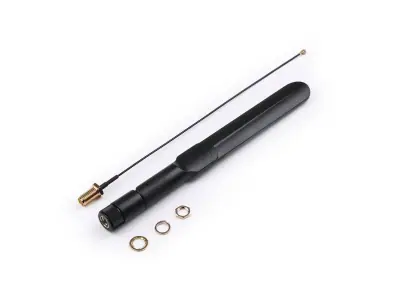
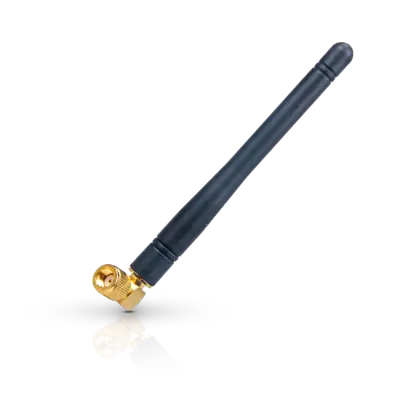
Omnidirectional 4G antenna 50 Ω for LTE Cat 4 mini-PCIe module
Price on request
Cellular 4G and 5G Antennas
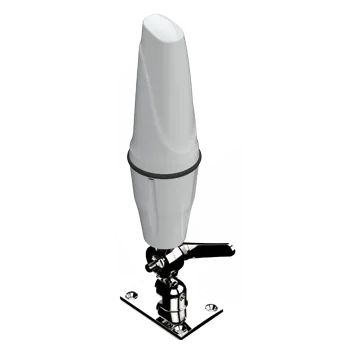
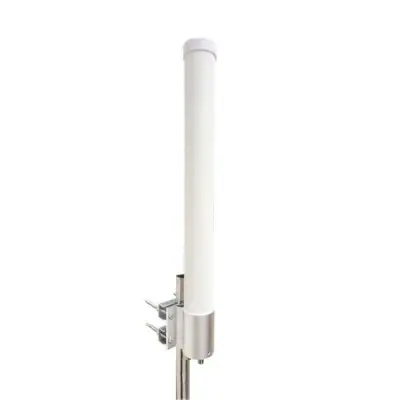
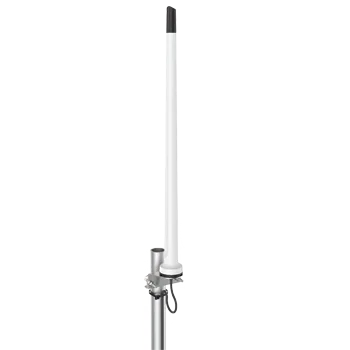
Marine LTE omnidirectional antenna 617-2700 MHz · Ref. : OMNI-403
Price on request
Cellular 4G and 5G Antennas
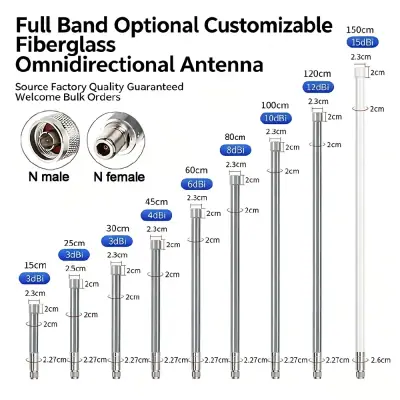
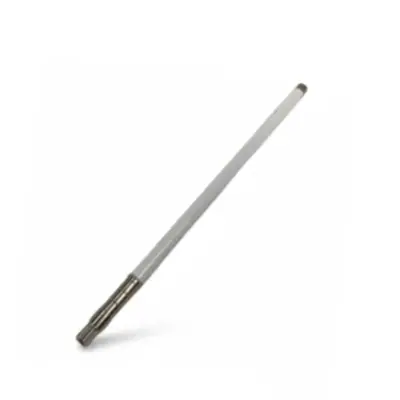
Omnidirectional Fiberglass 4G/5G Antenna, 4 to 12 dBi Gain
Price on request
Cellular 4G and 5G Antennas
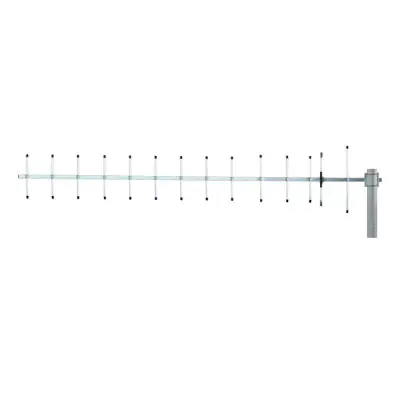
Outdoor LTE log-periodic antenna 698-2700MHz 11dBi N Female · Ref. : TLC-0727-11E
Price on request
Cellular 4G and 5G Antennas
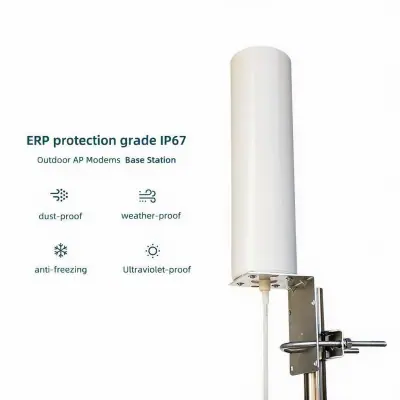
Omnidirectional 5G Vertical Polarization Outdoor Base Station Antenna
Price on request
Cellular 4G and 5G Antennas
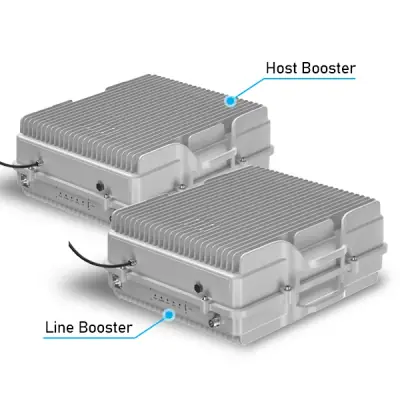
Customized DAS Distributed Antenna System for 2G 3G 4G 5G Buildings
Price on request
Cellular 4G and 5G Antennas
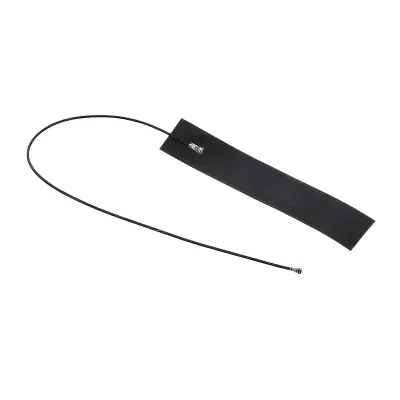
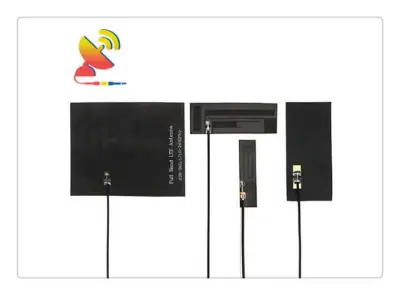
Ultra-wideband 5G/LTE FPC antenna with MHF4 plug · Ref. : S168
Price on request
Cellular 4G and 5G Antennas
Embedded 4G LTE dipole antenna, FPC/PCB
Price on request
Cellular 4G and 5G Antennas
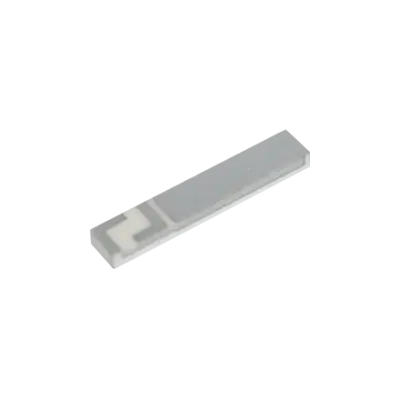
Wideband SMD cellular antenna for 2G to 4G/LTE
Price on request
Cellular 4G and 5G Antennas
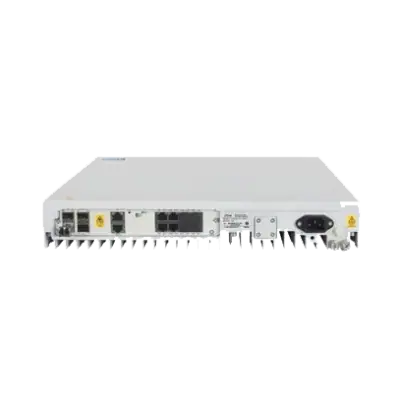
Active indoor LTE distributed antenna system
Price on request
Cellular 4G and 5G Antennas
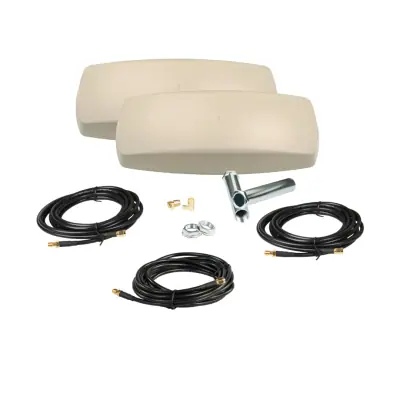
Dual 5G wide-band antenna kit, 54mm low profile, IP67
Price on request
Cellular 4G and 5G Antennas
Waterproof GSM CDMA Panel Antenna · Ref. : 28-020-655
Price on request
Cellular 4G and 5G Antennas
Omnidirectional LTE antenna 2 dBi
Price on request
Cellular 4G and 5G Antennas
Ultra-wideband 4G/5G omni antenna 600 MHz-6 GHz IP67
Price on request
Cellular 4G and 5G Antennas
Outdoor Omni Antenna 4G LTE 5 dBi · Ref. : AOA-4G-5NF4
Price on request
Cellular 4G and 5G Antennas
698-3800MHz 10/12dBi ±45° dual-polarized cellular panel antenna · Ref. : BBT-0638SA1012D065-N2
Price on request
Cellular 4G and 5G Antennas
Directional 5G/LTE multiband antenna, 600-6000 MHz wideband, IP68 · Ref. : AE700M
Price on request
Cellular 4G and 5G Antennas
Omnidirectional LTE wideband antenna 698-2700 MHz · Ref. : OMNI-121
Price on request
Cellular 4G and 5G Antennas
Multiband Metal Stamp Antenna 2G to 5G
Price on request
Cellular 4G and 5G Antennas
16 dBi high gain directional GSM Yagi antenna · Ref. : 890-960MHZ
Price on request
Cellular 4G and 5G Antennas
Directional logarithmic periodic 5G antenna 700-3800 MHz · Ref. : 700-3800MHZ
Price on request
Cellular 4G and 5G Antennas
Internal 4G LTE dipole antenna, 700-960 MHz and 1710-2700 MHz
Price on request
 Technical resourcesDocumentation, manuals and datasheetsBrowse the resources
 Related solutionsSolutions and applications for your projectsSee the solutions

Checklist for 4G and 5G signal quality (RSRP, RSRQ, SINR).
| Manufacturer | MPN | Connector type | Mounting |
|---|---|---|---|
| BBT | 698-6000MHZ | N-Female | — |
| QuWireless | A501S | — | — |
| Seeed Studio | 110061502 | — | — |
| Poynting Antennas | OMNI-403 | — | Marine Mount |
| Qianmu | FIBERGLASS-ANTENNA | — | — |
| Tesswave | TLC-0727-11E | — | — |
| BAT Wireless | LONG_RANGE_OMNI_VERTICAL_POLARIZATION_OUTDOOR_BASE_STATION_5G_ANTENNA | — | — |
| Lintratek | LINTRATEK-PROFESSIONAL-2G-3G-4G-5G-CUSTOMIZED-DAS-DISTRIBUTED-ANTENNA-SYSTEM-FOR | — | — |
| Sixfab | S168 | — | Adhesive (3M backing), Ground-Plane Independent |
| C&T RF | CTRF-ANTENNA-FPC-PCB-7027-DESIGN | — | — |
What it is. Measurements a 4G or 5G router or modem reports about the cell it uses: RSRP is the received power of the reference signals (dBm), RSRQ their quality (dB), SINR the signal compared with interference and noise (dB), and RSSI the total received power (dBm), interference included.
When selecting.
The table compares. Gain, Polarization, Frequency
Filters that split the list. Manufacturer (17), Key features (2), Cellular network (7), Wi-Fi (5), IP rating (6)
Documents. 55 recorded for these products · document center
Only if its frequency range covers the 5G bands in use. Several models in this family, such as the QuWireless AE700M (600-6000 MHz), cover both 4G and 5G.
In the combination multi-band antennas family. This page lists cellular-only antennas; 868 MHz LoRa antennas are under omnidirectional antennas.
Part ofRF and Antennas.
Main selection parameters. Frequency band · Gain · Connector type · Polarization · IP rating · Mounting
Calculators. rf wavelength · fspl · rf link budget · dbm watts converter
Common technologies. 4G and 5G signal quality (RSRP, RSRQ, SINR) · Antenna gain and link budget
Finder. Filter this family by specification
Manufacturers. Poynting Antennas · QuWireless · BAT Wireless · Tesswave · Qianmu · C&T RF · BBT · Welotec
With your consent, we use Google cookies to measure the site’s audience and our advertising. Your quote basket and comparison stay in your browser either way. Details