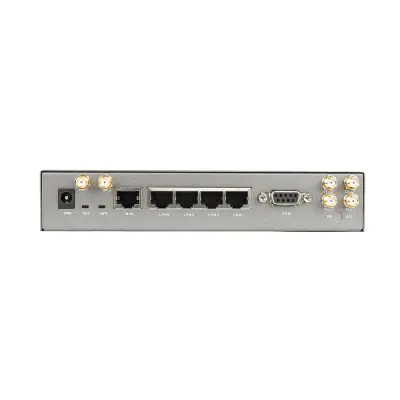
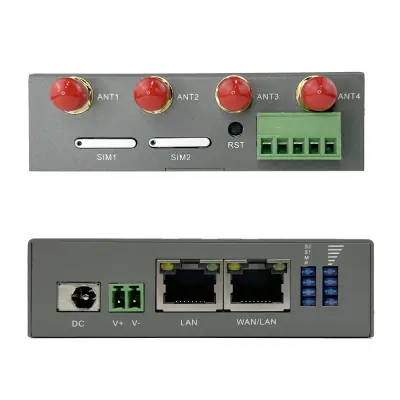
F3936-3736H
4G LTE / LTE-A Industrial Routers
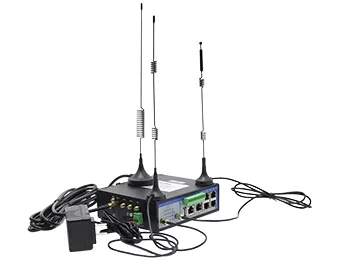
In-vehicle LTE TDD Wi-Fi cellular router
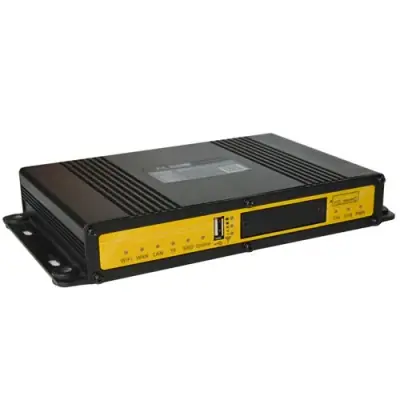
- 256MB
- 244x139x36 mm
Price on request

Measurements a 4G or 5G router or modem reports about the cell it uses: RSRP is the received power of the reference signals (dBm), RSRQ their quality (dB), SINR the signal compared with interference and noise (dB), and RSSI the total received power (dBm), interference included.
RSRP describes reference signal power. RSRQ and SINR provide information about quality and interference. RSSI reports received power over the resource being measured. Check the units and what the modem reports: LTE and NR measurements may refer to different signals.
For each sample, record time, radio mode, band, cell, reported values, upload throughput and loss. Repeat under busy conditions, changing one item at a time. If RSRP improves but SINR or throughput does not, check cell, interference and load before crediting the antenna.
There is no universal acceptance number. Record the radio mode and compare against required application performance.
No. Strong received power may include noise or interference; use reference signal and quality readings too.
No. They measure different radio systems under different conditions.
Sources : ETSI/3GPP · TS 36.214, LTE measurements, 3GPP · TS 38.215, NR measurements
Parts are matched to this technology by category or description. Confirm support in the datasheet.
4G LTE / LTE-A Industrial Routers
In-vehicle LTE TDD Wi-Fi cellular router
Price on request
4G LTE / LTE-A Industrial Routers
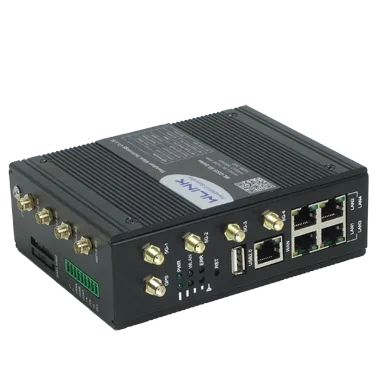
Industrial 4G LTE dual-SIM router with DB9 serial port · Ref. : H720TT-RS232
Price on request
5G NR Industrial Routers
Industrial 5G Wi-Fi 6 dual-band router · Ref. : G535
Price on request
5G NR Industrial Routers
5G industrial gateway with quad-core processor and dual SIM · Ref. : PRO_VIEW-363
Price on request
4G LTE / LTE-A Industrial Routers
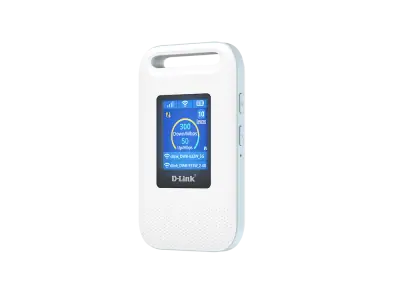
4G LTE+ dual-band Wi-Fi 6 AX600 mobile hotspot router · Ref. : DWR-933W-4G
Price on request
5G NR Industrial Routers
Industrial 5G NR router with dual SIM and RS232/RS485 serial ports · Ref. : IR2000
Price on request
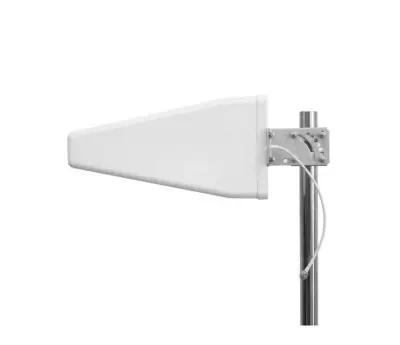
Cellular 4G and 5G Antennas
5G DAS log-periodic wideband antenna · Ref. : 698-6000MHZ
Price on request
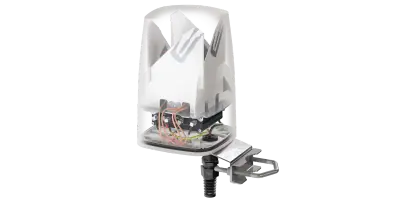
Cellular 4G and 5G Antennas
Omnidirectional 5G/LTE multiband IP68 antenna with enclosure · Ref. : A501S
Price on request
With your consent, we use Google cookies to measure the site’s audience and our advertising. Your quote basket and comparison stay in your browser either way. Details