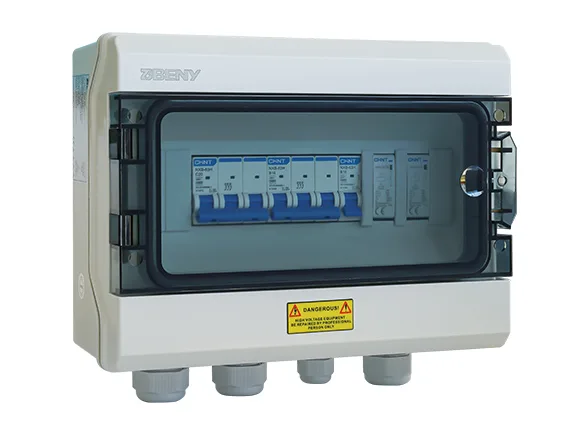
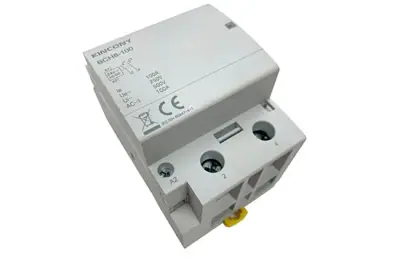
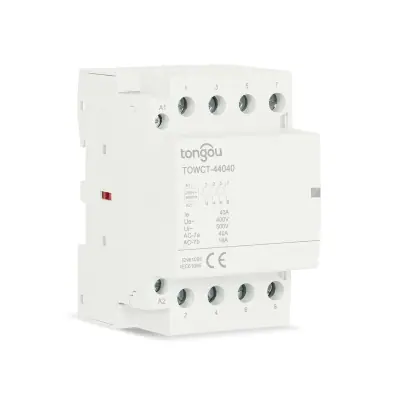
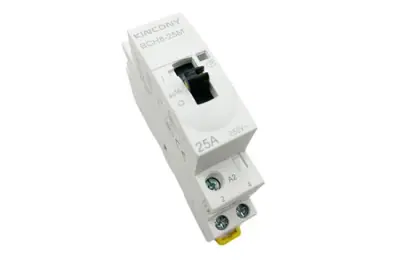
Beny technical article comparing relays and contactors, two components controlling power flow in electrical systems. It helps select the right component for a project or installation.
Battery Energy Storage System ComponentsA Technical Guide to BESS Architecture
Beny AC EV Charger TestThe Ideal Charger for Electric Vehicles?
Split vs All-in-One DC Fast ChargersHow to Choose
Understanding Solar Panel SafetyRisks and Precautions
Product overview
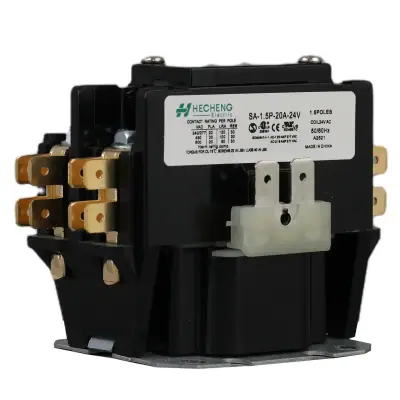
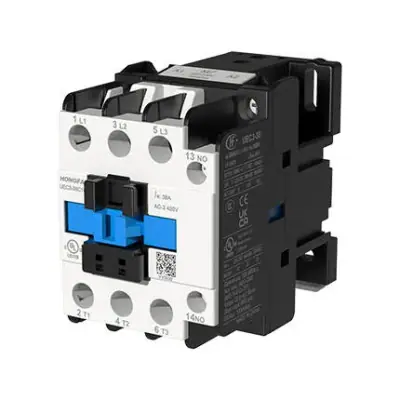
Overview. This technical article published by Beny compares relays and contactors, two essential components for controlling power flow in electrical systems. Although similar in function, their design and application make them suitable for different purposes.
Relay functions. The relay provides control signal switching, amplification and isolation between control and load circuits, and low-current operation, from milliamperes to a few amperes. It suits electronic circuits, microcontrollers and sensors.
Contactor functions. The contactor is designed to switch high currents in power circuits, such as electric motors, lighting systems and industrial machinery. It withstands continuous operation without overheating or malfunctioning and suits high-current applications.
Use. Choosing between a relay and a contactor depends on the current, the type of load and the required operating duty. This article helps identify the component suited to an electrical installation project.
No published question about this part yet. Questions are reviewed before publication.
Complete specifications
Every characteristic recorded for RELAY-AND-CONTACTOR, with where it comes from. Use the filters to find one quickly.
All specifications (4)
Characteristic
Value
Battery Energy Storage System Components
A Technical Guide to BESS Architecture
Beny AC EV Charger Test
The Ideal Charger for Electric Vehicles?
Split vs All-in-One DC Fast Chargers
How to Choose
Understanding Solar Panel Safety
Risks and Precautions
No specification matches.
Last verification : 2026-11-02
Technical documentation
Official documents and the technical data recorded for RELAY-AND-CONTACTOR. For a missing document or a specific revision, our experts send it to you.
1. Technical overview
Beny technical article comparing relays and contactors, two components controlling power flow in electrical systems. It helps select the right component for a project or installation.
Battery Energy Storage System ComponentsA Technical Guide to BESS Architecture
Beny AC EV Charger TestThe Ideal Charger for Electric Vehicles?
Split vs All-in-One DC Fast ChargersHow to Choose
Understanding Solar Panel SafetyRisks and Precautions
2. Datasheet extract (recorded values)
Parameter
Value
Battery Energy Storage System Components
A Technical Guide to BESS Architecture
Beny AC EV Charger Test
The Ideal Charger for Electric Vehicles?
Split vs All-in-One DC Fast Chargers
How to Choose
Understanding Solar Panel Safety
Risks and Precautions
Alternatives and comparable products
Similar parts to answer your needs. Compare the main characteristics. A recorded replacement is a documented relation; a similar product is a similarity only, never a compatibility claim.
Current productBeny
RELAY-AND-CONTACTOR
Technical article: relay versus contactor differences
What is recorded about the regulatory status and the life of this part.
Regulatory compliance
No compliance statement is recorded for this part. Ask the supplier for the RoHS and REACH declarations and, for a radio product, the EU declaration of conformity.
With your consent, we use Google cookies to measure the site’s audience and our advertising. Your quote basket and comparison stay in your browser either way. Details