ER14250
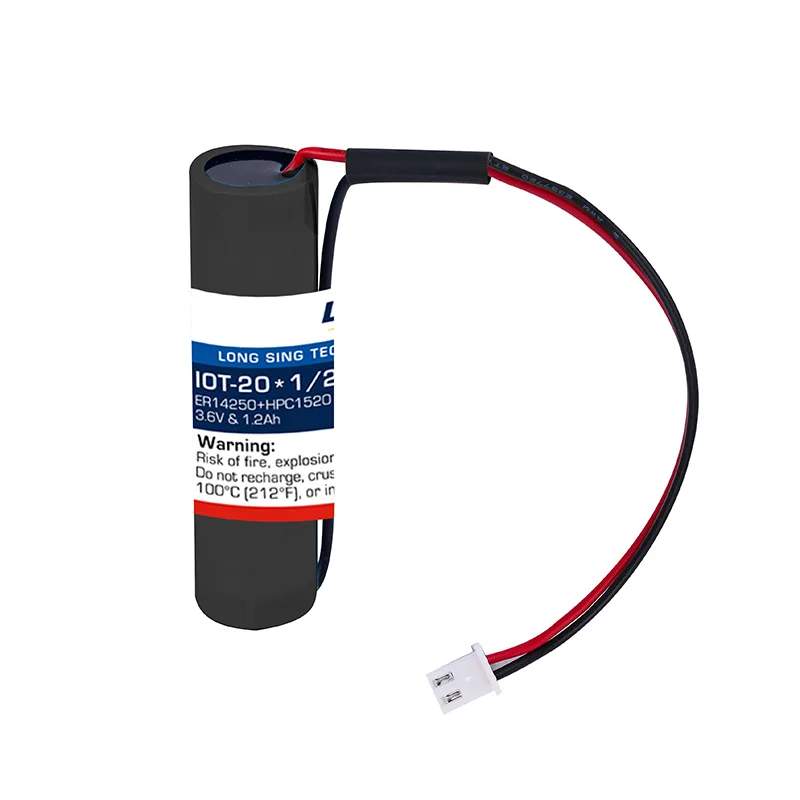
Cylindrical lithium thionyl chloride IoT battery 3.66 V
- Operating Temperature Range
- -40℃-+85℃
- Maximum continous current
- 500mA
- Storage
- +30℃ max
- Battery Size
- IOT-20½AA
Cylindrical lithium thionyl chloride IoT battery 3.66 V
Lithium Thionyl Chloride Batteries
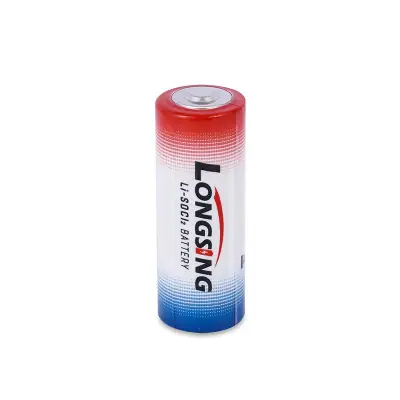
Cylindrical primary lithium thionyl chloride battery rated 3.66 V and 1.2 Ah in IOT-20½AA format, designed to power IoT products and electricity meters.
Manufacturer and model. The Long Sing ER14250+HPC1520 is a non-rechargeable primary lithium thionyl chloride battery in cylindrical IOT-20½AA format, designed to power IoT products.
Main characteristics. It delivers a nominal voltage of 3.66 V for a nominal capacity of 1.2 Ah and weighs 19 g. It supports a maximum continuous current of 500 mA and typical pulses up to 1 A, suited to the peak consumption of communication modules.
Applications and operating conditions. It is suitable for IoT products built to GSM, 4G, 5G, LTE-M and NB-IoT standards, as well as electricity meters and ETC (Electronic Toll Collection) systems. Its operating temperature range extends from -40 °C to +85 °C, and it is designed for relatively harsh thermal environments.
Certification and storage. The battery is certified UN38.3 for the transport of lithium batteries. The maximum storage temperature is +30 °C.
Integration. The manufacturer notes that capacity and size can be combined according to the expected use cycle of the product and its structure. A quotation can be requested from Atlas Electronics to define the suitable configuration.
No published question about this part yet. Questions are reviewed before publication.
Every characteristic recorded for ER14250, with where it comes from. Use the filters to find one quickly.
| Characteristic | Value |
|---|---|
| Application | Electricity Meter, ETC(Electronic Toll Collection) |
| Battery Size | IOT-20½AA |
| Battery Type | Lithium |
| Certification | UN38.3 |
| Maximum continous current | 500mA |
| Maximum pulse capability | Typical up to 1A |
| Model Number | ER14250+HPC1520 |
| Name | ER14250+HPC1520 lithium thionyl chloride battery |
| Nominal Capacity | 1.2Ah |
| Nominal Voltage | 3.66V |
| Operating Temperature Range | -40℃-+85℃ |
| Shape | Cylindrical |
| Storage | +30℃ max |
| Title | ER14250+HPC1520 Cylindrica Batteries Hot Sales High Energy 3.66V 1200mAh IOT-20½AA non rechargeable Primary Lithium Li-SOCI2 Battery |
| Weight | 19g |
No specification matches.
Last verification : 2026-11-02
Official documents and the technical data recorded for ER14250. For a missing document or a specific revision, our experts send it to you.
Cylindrical primary lithium thionyl chloride battery rated 3.66 V and 1.2 Ah in IOT-20½AA format, designed to power IoT products and electricity meters.
| Parameter | Value |
|---|---|
| Application | Electricity Meter, ETC(Electronic Toll Collection) |
| Battery Size | IOT-20½AA |
| Battery Type | Lithium |
| Certification | UN38.3 |
| Maximum continous current | 500mA |
| Maximum pulse capability | Typical up to 1A |
| Model Number | ER14250+HPC1520 |
| Name | ER14250+HPC1520 lithium thionyl chloride battery |
| Nominal Capacity | 1.2Ah |
| Nominal Voltage | 3.66V |
| Operating Temperature Range | -40℃-+85℃ |
| Shape | Cylindrical |
| Storage | +30℃ max |
| Title | ER14250+HPC1520 Cylindrica Batteries Hot Sales High Energy 3.66V 1200mAh IOT-20½AA non rechargeable Primary Lithium Li-SOCI2 Battery |
| Weight | 19g |
Points to check before using ER14250 in a design. They are derived from the recorded characteristics, not from the manufacturer's application circuits.
| Battery Size | IOT-20½AA |
| Battery Type | Lithium |
| Maximum continous current | 500mA |
| Nominal Voltage | 3.66V |
Check the exact pin assignment and the application circuit in the datasheet, or ask our experts.
Answers to the questions that the recorded characteristics of ER14250 can answer. A question is not asked when nothing is recorded to answer it.
-40℃-+85℃ (source: Operating Temperature Range).
Similar parts to answer your needs. Compare the main characteristics. A recorded replacement is a documented relation; a similar product is a similarity only, never a compatibility claim.
Cylindrical lithium thionyl chloride IoT battery 3.66 V
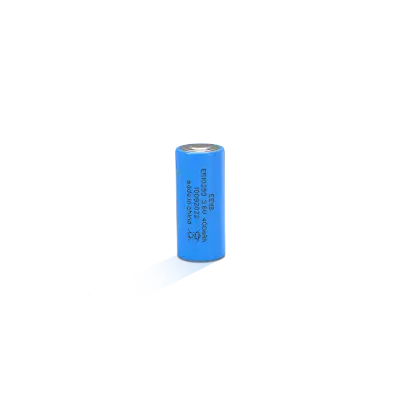
Type Lithium Thionyl Chloride Battery
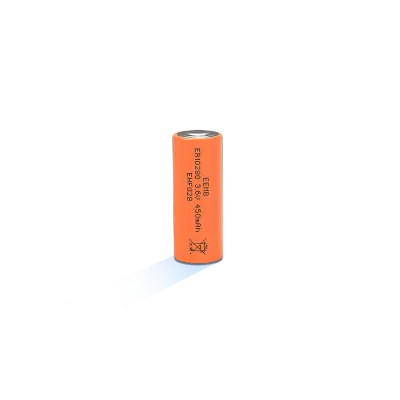
Type Lithium Thionyl Chloride Battery
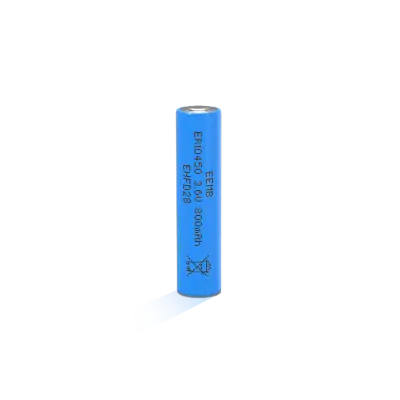
Type Lithium Thionyl Chloride Battery
Describe your application and constraints in a request.
What is recorded about the regulatory status and the life of this part.
| Current status | Status not stated |
| Key dates | Not recorded |
| Manufacturer part number | ER14250 |
| Manufacturer | Long Sing |
Lithium Thionyl Chloride Batteries
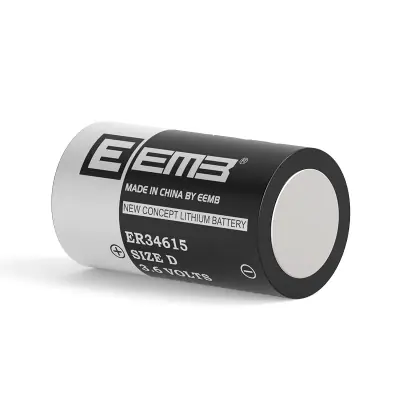
Lithium thionyl chloride bobbin battery 3.6 V 19 Ah · Ref. : ER34615-BOBBIN
Price on request
Lithium Thionyl Chloride Batteries
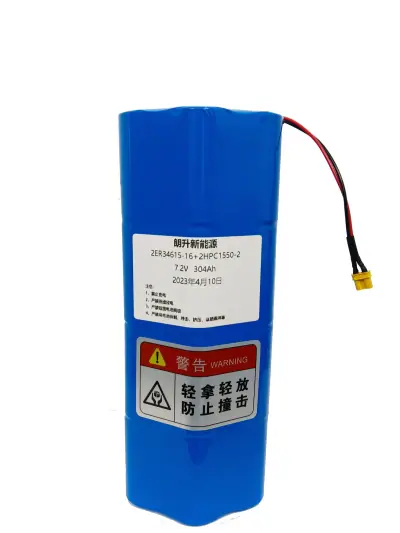
Lithium thionyl chloride battery pack 7.2 V 342 Ah · Ref. : ER34615
Price on request
Lithium Thionyl Chloride Batteries
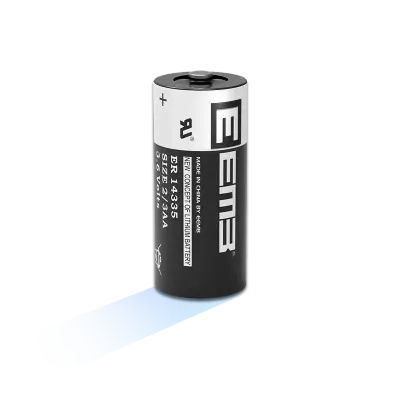
Bobbin type lithium thionyl chloride battery 3.6 V 1650 mAh · Ref. : ER14335
Price on request
Lithium Thionyl Chloride Batteries
ER18505 lithium thionyl chloride battery 4000 mAh · Ref. : ER18505
Price on request
No advertising or analytics cookies. A single, strictly necessary cookie is set only if you sign in to your account. Your quote basket and comparison stay in your browser. Details