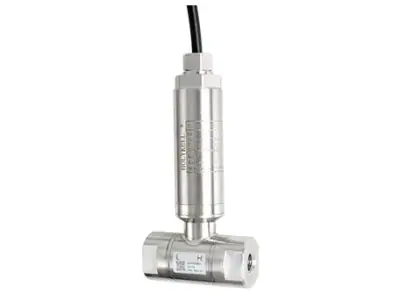
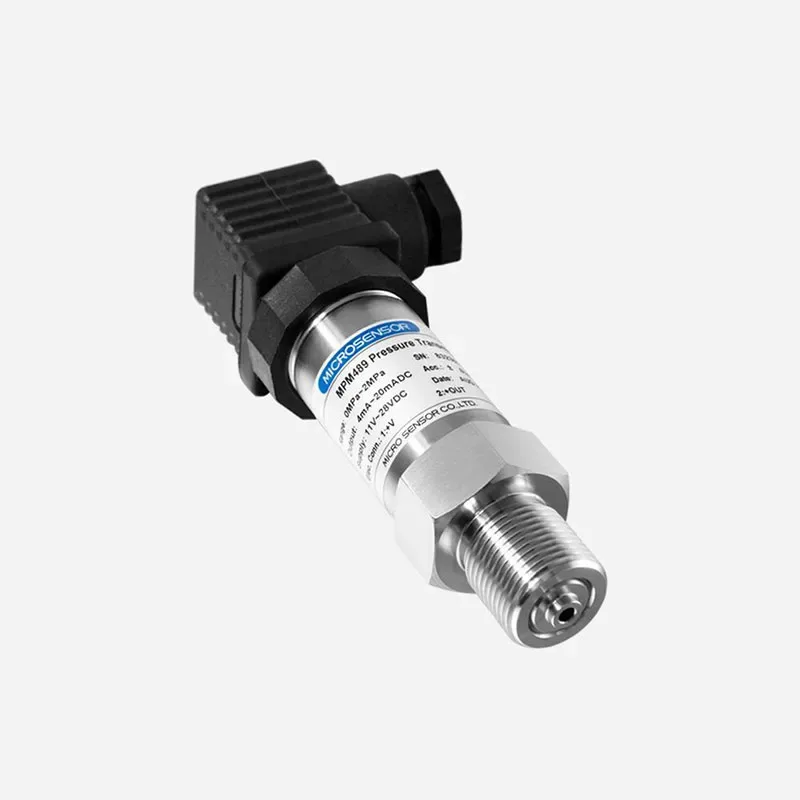
MPM489
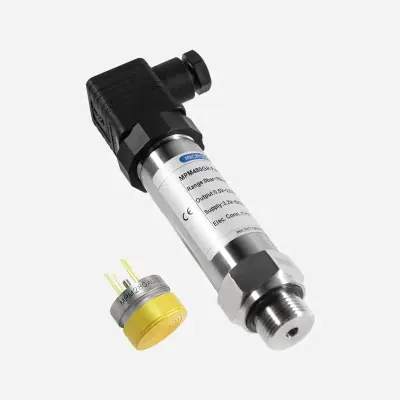
ATEX pressure transmitter with flush diaphragm
- Range
- 0~250mbar to 0~250bar
- Accuracy
- ±0.25%FS, ±0.5%FS, ±1%FS
- Enter Verification Code
- *
- Flange diameter
- DN25~DN100, 1-in~4-in
ATEX pressure transmitter with flush diaphragm
Industrial Pressure Transmitters (4-20mA / IO-Link)
Microsensor MPM489 ATEX pressure transmitter for pressure measurement in explosive atmospheres. Piezoresistive sensing element, 4-20mA and 0-10V outputs, accuracy down to ±0.25%FS.
Overview. The Microsensor MPM489 ATEX pressure transmitter is an industrial pressure transmitter designed for pressure measurement in hazardous areas. It uses a piezoresistive sensing element described as having excellent stability and reliability.
Main characteristics. The MPM489 measures ranges from 0-250mbar to 0-250bar, with an accuracy of ±0.25%FS, ±0.5%FS or ±1%FS depending on configuration. The valve body and flushing ring are made of 316 SS stainless steel. Flange sizes range from DN25 to DN100 (1 to 4 inches).
Outputs and connectivity. The transmitter offers 4-20mA DC, 0/1-5/10V DC, 0.5-4.5V DC and 0.5-2.5V DC output signals.
Certifications. The MPM489 is CE, RoHS and ATEX approved. It also holds DNV and ABS certifications for installation on ships.
Typical uses. The transmitter suits industrial control applications requiring precise pressure measurement, notably in the oil and gas, petroleum and petrochemical industries as well as hydrology and water resources.
Robustness. The circuit is designed to resist electromagnetic interference as well as instantaneous high pressure and surge interference.
No published question about this part yet. Questions are reviewed before publication.
Every characteristic recorded for MPM489, with where it comes from. Use the filters to find one quickly.
| Characteristic | Value |
|---|---|
| Accuracy | ±0.25%FS, ±0.5%FS, ±1%FS |
| Enter Verification Code | * |
| Flange diameter | DN25~DN100, 1-in~4-in |
| Flushing ring | 316 SS |
| Output | 4mA~20mA DC, 0/1V~5/10V DC, 0.5V~4.5V DC |
| Output signal | 4~20mA 0/1~5/10V DC 0.5~4.5V DC 0.5~2.5V DC |
| Range | 0~250mbar to 0~250bar |
| Valve body | 316 SS |
No specification matches.
Last verification : 2026-11-03
Official documents and the technical data recorded for MPM489. For a missing document or a specific revision, our experts send it to you.
Microsensor MPM489 ATEX pressure transmitter for pressure measurement in explosive atmospheres. Piezoresistive sensing element, 4-20mA and 0-10V outputs, accuracy down to ±0.25%FS.
| Parameter | Value |
|---|---|
| Accuracy | ±0.25%FS, ±0.5%FS, ±1%FS |
| Enter Verification Code | * |
| Flange diameter | DN25~DN100, 1-in~4-in |
| Flushing ring | 316 SS |
| Output | 4mA~20mA DC, 0/1V~5/10V DC, 0.5V~4.5V DC |
| Output signal | 4~20mA 0/1~5/10V DC 0.5~4.5V DC 0.5~2.5V DC |
| Range | 0~250mbar to 0~250bar |
| Valve body | 316 SS |
Similar parts to answer your needs. Compare the main characteristics. A recorded replacement is a documented relation; a similar product is a similarity only, never a compatibility claim.
ATEX pressure transmitter with flush diaphragm
Pressure Transmitter for Oxygen Measurement
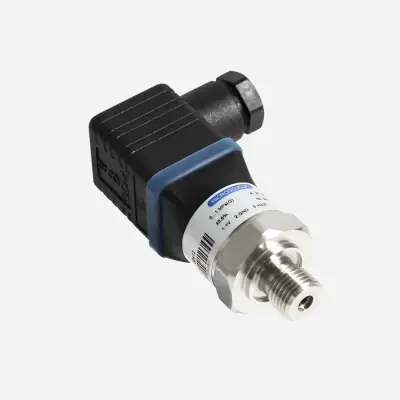
Explosion-proof Digital Pressure Transmitter
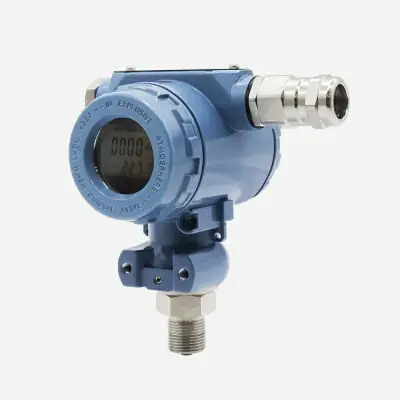
Pressure Transmitter for Hydrogen Measurement
Describe your application and constraints in a request.
What is recorded about the regulatory status and the life of this part.
No compliance statement is recorded for this part. Ask the supplier for the RoHS and REACH declarations and, for a radio product, the EU declaration of conformity.
| Current status | Status not stated |
| Key dates | Not recorded |
| Manufacturer part number | MPM489 |
| Manufacturer | Microsensor |
Industrial Pressure Transmitters (4-20mA / IO-Link)
Monocrystal Silicon Differential Pressure Transmitter 4-20mA · Ref. : HPT708
Price on request
Industrial Pressure Transmitters (4-20mA / IO-Link)
Gauge Pressure Transmitter for Industrial Process
Price on request
Industrial Pressure Transmitters (4-20mA / IO-Link)
Industrial pressure transmitter 4-20 mA HART RS485 Modbus · Ref. : 35723348-00
Price on request
Industrial Pressure Transmitters (4-20mA / IO-Link)
Intrinsically safe explosion-proof 4-20 mA pressure transmitter · Ref. : QTQ100
Price on request
No advertising or analytics cookies. A single, strictly necessary cookie is set only if you sign in to your account. Your quote basket and comparison stay in your browser. Details