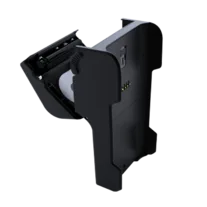
RT532
3-inch thermal printer mechanism, up to 220 mm/s
- Operating Temperature
- 0 to 50 (no condensation)
- Auto cutting frequency
- 1 million times
- Storage humidity(RH)
- 5% to 95% (no condensation)
- Storage temperature(°C)
- -25 to 70 (no condensation)
3-inch thermal printer mechanism, up to 220 mm/s
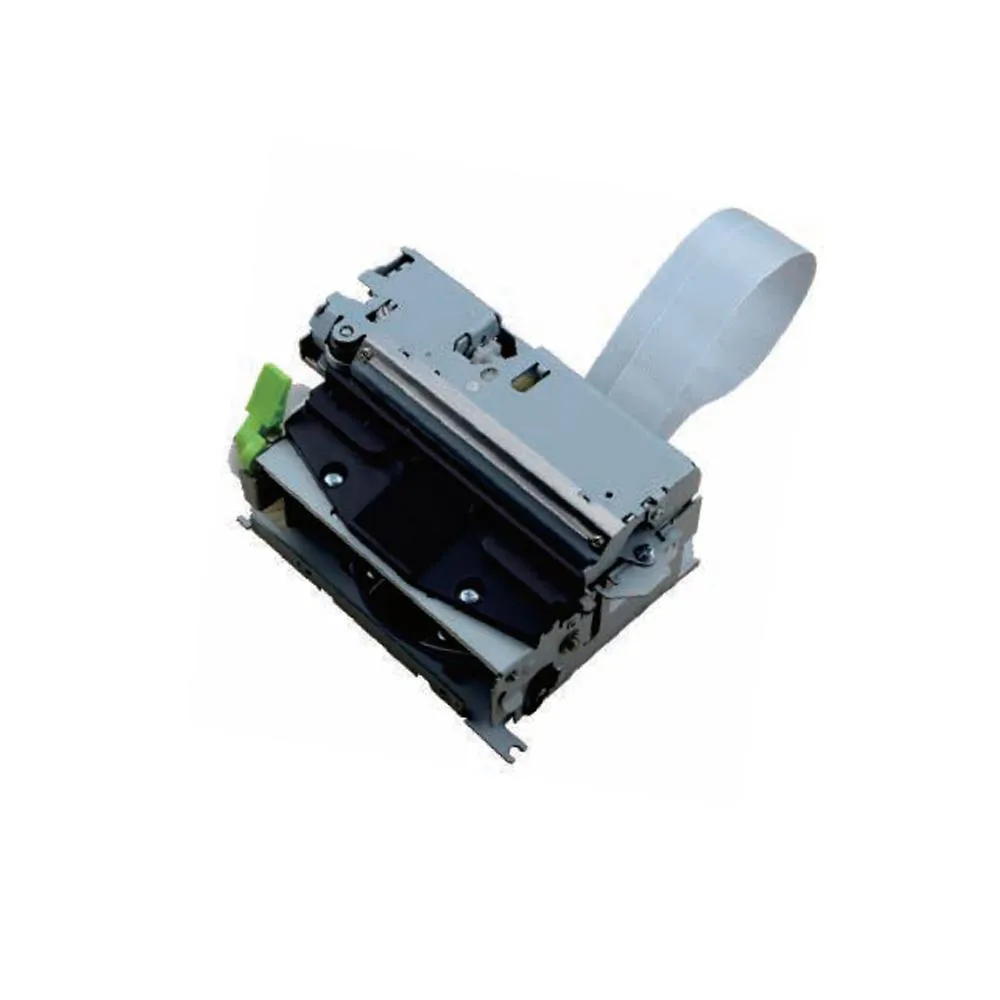
The Rongta RT532 is a 3-inch thermal printer mechanism with 640 dots per line, designed to integrate ticket and label printing into equipment.
Rongta RT532 thermal printer mechanism. The Rongta RT532 is a 3-inch thermal printing mechanism in the thermal transfer printers category, with 640 dots per line and a print speed of up to 220 mm/s. It is compatible with the EPSON M-T532.
Main characteristics. Feed resolution of 0.125 mm, thermal printing method, paper thickness of 56 to 150 µm, and automatic cutting rated at 1 million cycles, driven by a cutting motor supplied at 24 V ±10%.
Detection and control. Black mark detection by reflecting photoelectric sensor, paper detection by transmission photoelectric switch, platen position detection by light touch switch and print head temperature detection by thermistor.
Power and environment. Operating voltage of 24 V ±10%, logic voltage of 5 V ±0.25 V, operating temperature of 0 to 50 °C and operating humidity of 10 to 80 % RH without condensation. Storage temperature of -25 to 70 °C and storage humidity of 5 to 95 % RH without condensation. Dimensions of 126.8 x 91.8 x 57.5 mm without FPC.
Integration. This mechanism suits equipment requiring compact, high-speed thermal printing. It is available on quotation from Atlas Electronics.
No published question about this part yet. Questions are reviewed before publication.
Every characteristic recorded for RT532, with where it comes from. Use the filters to find one quickly.
| Characteristic | Value |
|---|---|
| Abrasion Resistance | 100 km |
| Auto cutting frequency | 1 million times |
| Auto cutting motor voltage(V) | 24±10% |
| Black mark detection | Reflecting photoelectricity pipe |
| Detection voltage (V) | 5±0.25 |
| Dots/line | 640 dots/line |
| Feed Resolution(mm) | 0.125 |
| Formfeeding motor voltage(V) | 24±10% |
| Head temperature detection | Thermistor |
| Logical voltage(V) | 5±0.25 |
| Operating humidity(RH) | 10% to 80% (no condensation) |
| Operating Temperature | 0 to 50 (no condensation) |
| Operation voltage (V) | 24±10% |
| Paper detection | Transmission photoelectricity switch |
| Paper Thickness(μm) | 56-150 |
| Platen position detection | Light touch swith |
| Printing Method | Thermal |
| Storage humidity(RH) | 5% to 95% (no condensation) |
| Storage temperature(°C) | -25 to 70 (no condensation) |
| W x D x H(mm) | 126.8x91.8x57.5(without FPC) |
No specification matches.
Last verification : 2026-11-02
Official documents and the technical data recorded for RT532. For a missing document or a specific revision, our experts send it to you.
The Rongta RT532 is a 3-inch thermal printer mechanism with 640 dots per line, designed to integrate ticket and label printing into equipment.
| Parameter | Value |
|---|---|
| Abrasion Resistance | 100 km |
| Auto cutting frequency | 1 million times |
| Auto cutting motor voltage(V) | 24±10% |
| Black mark detection | Reflecting photoelectricity pipe |
| Detection voltage (V) | 5±0.25 |
| Dots/line | 640 dots/line |
| Feed Resolution(mm) | 0.125 |
| Formfeeding motor voltage(V) | 24±10% |
| Head temperature detection | Thermistor |
| Logical voltage(V) | 5±0.25 |
| Operating humidity(RH) | 10% to 80% (no condensation) |
| Operating Temperature | 0 to 50 (no condensation) |
| Operation voltage (V) | 24±10% |
| Paper detection | Transmission photoelectricity switch |
| Paper Thickness(μm) | 56-150 |
| Platen position detection | Light touch swith |
| Printing Method | Thermal |
| Storage humidity(RH) | 5% to 95% (no condensation) |
| Storage temperature(°C) | -25 to 70 (no condensation) |
| W x D x H(mm) | 126.8x91.8x57.5(without FPC) |
Points to check before using RT532 in a design. They are derived from the recorded characteristics, not from the manufacturer's application circuits.
| Auto cutting motor voltage(V) | 24±10% |
| Detection voltage (V) | 5±0.25 |
| Formfeeding motor voltage(V) | 24±10% |
| Logical voltage(V) | 5±0.25 |
| Operation voltage (V) | 24±10% |
Check the exact pin assignment and the application circuit in the datasheet, or ask our experts.
Answers to the questions that the recorded characteristics of RT532 can answer. A question is not asked when nothing is recorded to answer it.
0 to 50 (no condensation) (source: Operating Temperature).
Similar parts to answer your needs. Compare the main characteristics. A recorded replacement is a documented relation; a similar product is a similarity only, never a compatibility claim.
3-inch thermal printer mechanism, up to 220 mm/s
Embedded Thermal Printer
Desktop Direct Thermal Printer
2 Inch Desktop Barcode Printers
Describe your application and constraints in a request.
What is recorded about the regulatory status and the life of this part.
No compliance statement is recorded for this part. Ask the supplier for the RoHS and REACH declarations and, for a radio product, the EU declaration of conformity.
| Current status | Status not stated |
| Key dates | Not recorded |
| Manufacturer part number | RT532 |
| Manufacturer | Rongta |
Thermal Transfer Printers
58 mm portable thermal printer for ACR89 reader · Ref. : PTR89
Price on request
Thermal Transfer Printers
80 mm direct thermal receipt printer
Price on request
Thermal Transfer Printers
80 mm thermal receipt printer with automatic paper cutter
Price on request
Thermal Transfer Printers
Android Touch Screen Cash Register with Printer · Ref. : TELPO-C1
Price on request
No advertising or analytics cookies. A single, strictly necessary cookie is set only if you sign in to your account. Your quote basket and comparison stay in your browser. Details