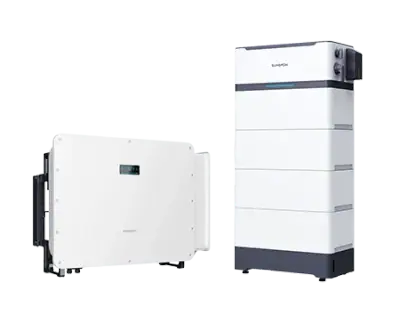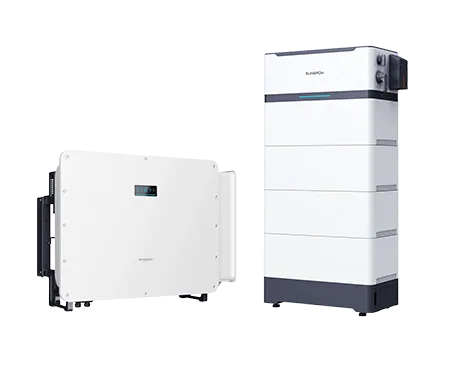


SI30
Grid-Tied Solar Inverters
Solar pump inverter with modular design and IP65 protection · Ref. : SI30

Price on request

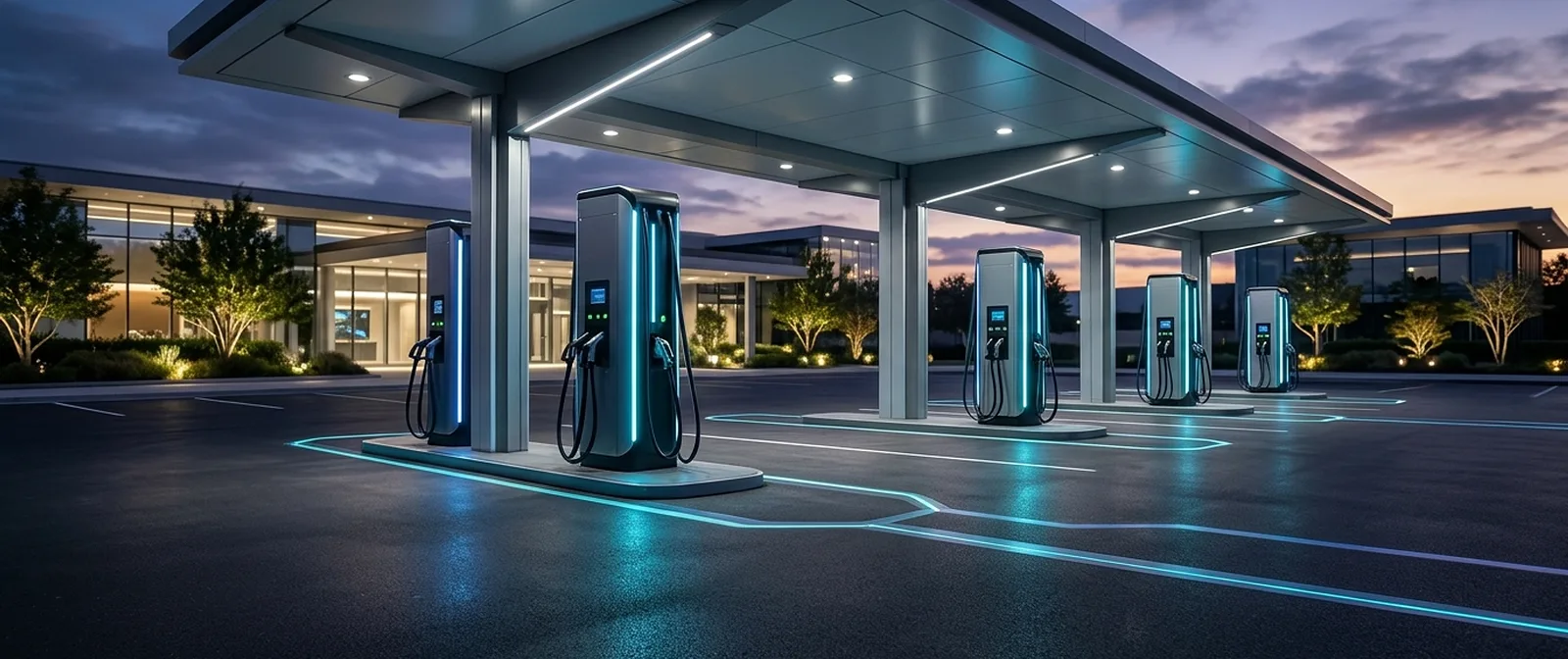
Solar production, storage and charging points on one site are often managed separately. Inverters, batteries, MPPT controllers, meters and chargers form a local energy system that shares production between users.
Architecture
From the field to the uplink: each role of the chain and the product families that fill it.
This is an architecture pattern, not a certified reference design. Verify every interface, rating and certification in the datasheets.
Products
Grid-Tied Solar Inverters
Solar pump inverter with modular design and IP65 protection · Ref. : SI30
Price on request
Grid-Tied Solar Inverters
Single-phase grid-tied solar inverter 3 to 4 kW, transformerless · Ref. : SG3.0_3.6_4.0RS
Price on request
Grid-Tied Solar Inverters
7.5 kW Low-voltage Single-phase On-grid Hybrid Inverter with MPPT · Ref. : 35911
Price on request
Grid-Tied Solar Inverters
STS-3K~4KTL-M
Price on request
Grid-Tied Solar Inverters
3800 W inverter generator, open frame · Ref. : ULT-3800I-EU
Price on request
MPPT Controllers
All-in-Two Solar Street Light with Motion Sensor · Ref. : SERIES-PV6-ALL-IN-TWO-SOLAR-STREET-LIGHTS
Price on request
Grid-Tied Solar Inverters
Three-phase hybrid solar inverter with battery storage 3 kW · Ref. : SUN3
Price on request
AC EV Chargers
/ 22KT-S0
Price on request
DC Fast Chargers
120 kW DC fast charger with dual CCS2 connectors · Ref. : JUPITER_V5
Price on request
AC EV Chargers
Intelligent dynamic EV charging station · Ref. : SCHARGER-7KS-S0
Price on request
Three-Phase Energy Meters
Three-phase WiFi energy monitor with Ethernet and CT clamps · Ref. : PC4713
Price on request
AC EV Chargers
NXP i.MX9352 Dual Cortex-A55 System-on-Module · Ref. : VOSM93
Price on request
AC EV Chargers
AutoRAE 2 Automatic Test and Calibration System
Price on request
Grid-Tied Solar Inverters
Three-phase grid-tied inverter 75 to 125 kW, 10 MPPT · Ref. : GT3
Price on request
Grid-Tied Solar Inverters
1500 V T1+2 DC surge protection device for PV systems · Ref. : HCDSP3-1500
Price on request
AC EV Chargers
Intelligent 22 kW EV charger with integrated cable · Ref. : D-VOLT-PRO-CABLE-VERSION
Price on request
Grid-Tied Solar Inverters
Off-grid solar inverter 4 to 10 kW, 120/240 Vac output · Ref. : US | SPLIT/SINGLE-PHASE | 2MPPTS
Price on request
Home Energy Storage
Residential low-voltage LiFePO4 energy storage battery · Ref. : POWERBRICK-MAX-LOW-VOLTAGE-RESIDENTIAL-BATTERY
Price on request
Home Energy Storage
Solar micro-inverter 600-800 W with app-based upgrade · Ref. : DETAILS-SUNENERGYXT-EASY-SWITCH-SUN-M80G3-(600-800W)
Price on request
AC EV Chargers
Mode 2 EV charger main control board 11 kW · Ref. : RDP301-11K
Price on request
AC EV Chargers
Floor-mounted AC EV charger with point-of-sale terminal
Price on request
DC Fast Chargers
Indoor light-charging wireless emergency call button 433 MHz · Ref. : ISOS-109_S2
Price on request
Grid-Tied Solar Inverters
Grid-tied hybrid solar inverter with battery management · Ref. : HYBRID-INVERTER
Price on request
AC EV Chargers
Type 1 AC EV Charger, 7.6 to 12 kW, NEMA 3R · Ref. : EVA-07/09/12S-PU
Price on request
Industries
Documentation and resources
Before choosing
No advertising or analytics cookies. A single, strictly necessary cookie is set only if you sign in to your account. Your quote basket and comparison stay in your browser. Details