PIM481
Snowflake: a project by Lucky Resistor
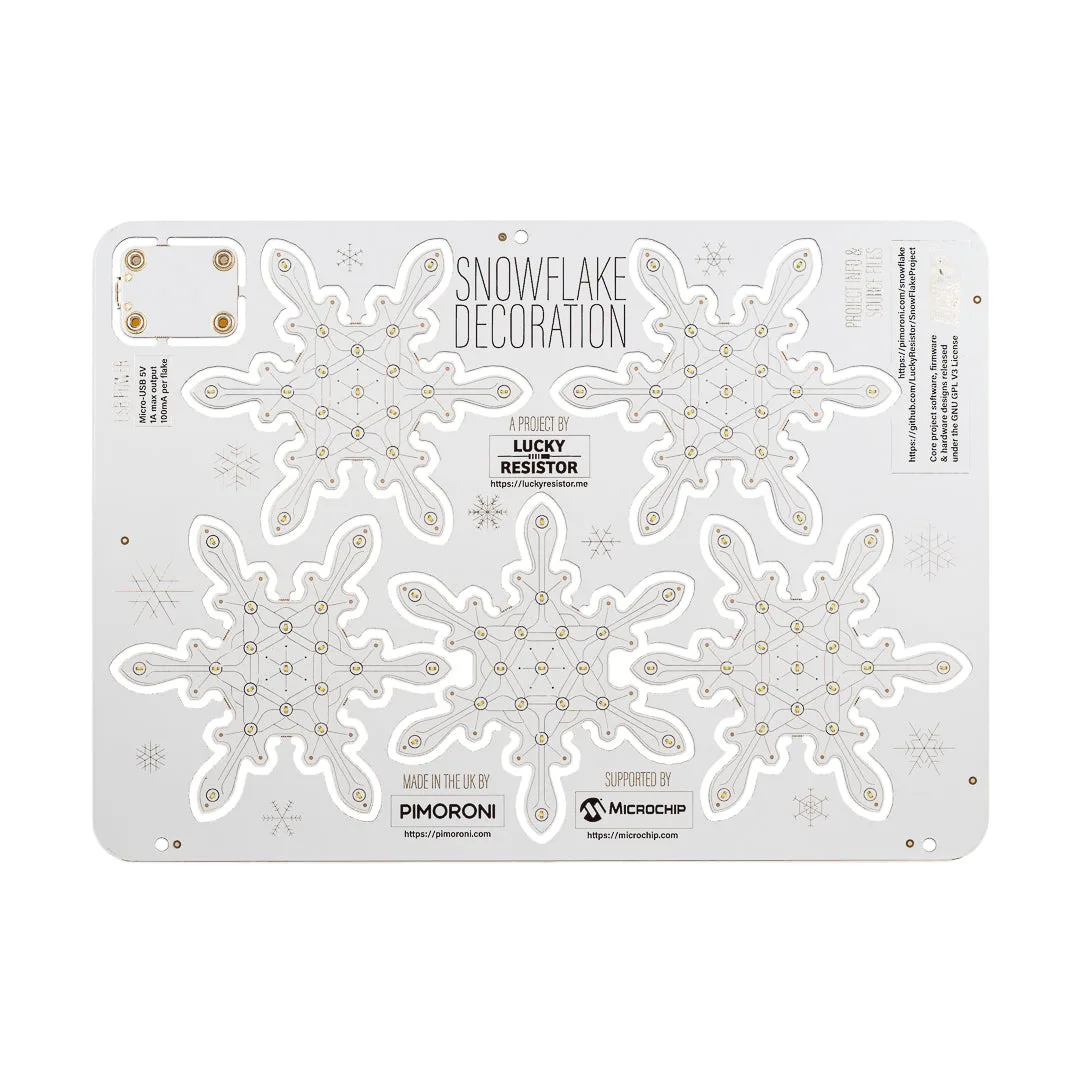
Limited record: this part has neither specifications nor a datasheet in the catalog yet. It is shown for reference and is not indexed.
Snowflake: a project by Lucky Resistor
Maker, Prototyping, Open-Hardware & Developer Boards
Pimoroni PIM481, listed under “Maker, Prototyping, Open-Hardware & Developer Boards”.
A set of five shimmering snowflakes that talk to each other to synchronise their nineteen cool white LEDs that sparkle and fade to create beautiful wintery effects.
The snowflakes come pre-assembled on a gorgeous, festive-looking PCB panel. Each snowflake is pre-programmed, so all you have to do is pop them out, connect them together with the cables, and plug in power to bring them to life.
Check out our tutorial on how to get started with your Snowflakes.
They are programmed with eleven patterns; Ice Sparkle, Sky With Stars, Waves, Circles, Rain, Shift, Rotation, Diagonal, Flash, Particle, and Flicker. You can change between patterns and turn the snowflakes on and off using the button the power supply board. Check out this video to see the patterns.
This project was originally designed by Lucky Resistor as an assemble-yourself kit which took a lot of time and a very steady hand to complete! We've worked with them to make the kit accessible by pre-assembling the surface mount components and pre-programming the microcontrollers.
Contents
The kit comes in a beautiful gift box with the contents wrapped in black tissue paper and an introduction sheet to get you started. Perfect as a present!
5x pre-assembled and pre-programmed snowflake PCBs
1x pre-assembled micro-B USB power supply PCB
1x power supply acrylic cover/switch with fixings
4x 20cm flat flex cables (FFC)
1x 100cm flat flex cable
1x introduction sheet
Panel dimensions: 214x153x3.15mm
Snowflake dimensions: 79.5x79.5x3.15mm
Note that a micro-USB power supply is not included, but you can pick one up here.
If you want to experiment with reprogramming your snowflakes, you can solder a 5-pin 0.1" vertical female SMT connector to the landing on the underside of the snowflakes. Here are a couple of options: from Toby, and from Digikey.
Features
Each snowflake has: an ARM Cortex M0+ microcontroller that runs the firmware to control patterns on the LEDs, nineteen cool white 0402 LEDs, input and output connectors (for the FFC cables), a landing for a debug/programming header, and power regulator.
The snowflakes can communicate via a single bi-directional data line. During power up they determine their order in the chain so that effects can transition between them seamlessly. The first snowflake—the “master”—decides which effects will be displayed and synchronises the other boards in the chain.
The key to the snow-like shimmering effect are the tiny 0402 LEDs (check the photo with the pencil tip to see just how small they are). The small but bright, point-like light source creates diffraction spikes in your eyes. It's the same effect you experience if you look at snow in bright sunlight.
It was important to ensure that the LEDs' brightness changes linearly, since both LEDs and your eyes are non-linear in that respect. This was solved using a custom PWM control method. It is optimised to display a wide range of brightness levels and to work well at very low brightnesses (a common weakness of PWM brightness control).
The kit includes flat flex cables to connect the snowflakes and power supply together easily. Alternatively, if you want to minimise the visibility of the cables, you can connect them by soldering super-thin enamelled wire using the exposed pads on the back of each snowflake.
The entire project (including the firmware, schematics, bill of materials, and PCB layout) is open source under GPLv3. You can find all of the files in the GitHub repository.
Over the past few years I have designed a new decoration for my home each winter. This snowflake decoration started as one of these projects.
I asked a graphic designer friend, Francesco Mazzola ( ), to design the outline and detailing which I then converted into functional PCBs.
Initially, I produced a small number of kits which were offered to members of the Boldport Club ( ). Due to the low volume, these kits were expensive to produce and the customer had to hand-solder all of the components—including the ninety-five individual 0402 LEDs—ouch!
Pimoroni found out about the project and got in touch to see if they could create a more accessible version as a kit with all of the surface mount components pre-assembled. I said yes!:-)
They reached out to Microchip ( ) to see if they could support the project to help reduce the cost. As the kit includes five ATSAMD20E16 they made up a large part of the overall cost!
I hope you enjoy this project as much as I enjoyed designing it!
- Lucky Resistor
No published question about this part yet. Questions are reviewed before publication.
Official documents and the technical data recorded for PIM481. For a missing document or a specific revision, our experts send it to you.
Pimoroni PIM481, listed under “Maker, Prototyping, Open-Hardware & Developer Boards”.
Similar parts to answer your needs. Compare the main characteristics. A recorded replacement is a documented relation; a similar product is a similarity only, never a compatibility claim.
Snowflake: a project by Lucky Resistor
Sensor Adapter for Click, QWIIC and Grove Modules
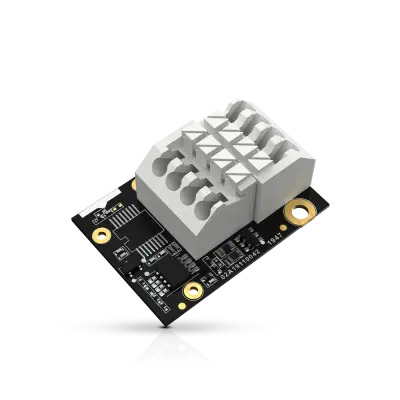
RS485 Module 3PEAK TP8485E
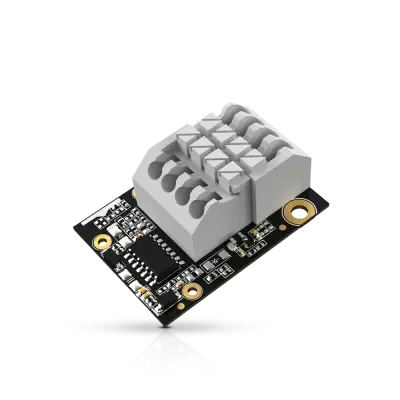
4-20mA Module STMicroelectronics LM2902
Describe your application and constraints in a request.
What is recorded about the regulatory status and the life of this part.
No compliance statement is recorded for this part. Ask the supplier for the RoHS and REACH declarations and, for a radio product, the EU declaration of conformity.
| Current status | Status not stated |
| Key dates | Not recorded |
| Manufacturer part number | PIM481 |
| Manufacturer | Pimoroni |
Maker, Prototyping, Open-Hardware & Developer Boards
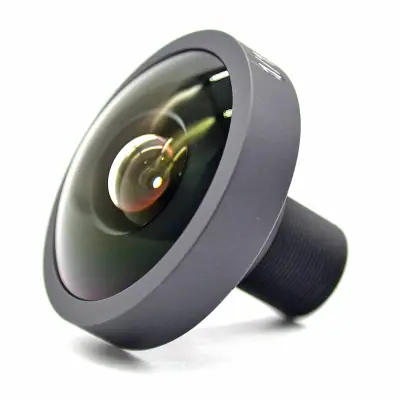
M12 fisheye lens for camera module · Ref. : M12_FISHEYE
Price on request
Maker, Prototyping, Open-Hardware & Developer Boards
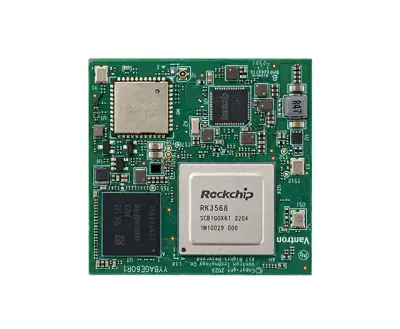
RK3568 System-on-Module with 1 TOPS NPU
Price on request
Maker, Prototyping, Open-Hardware & Developer Boards
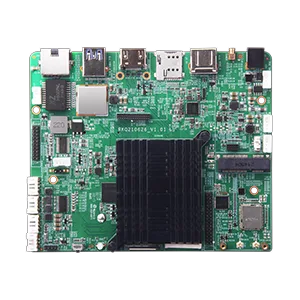
RK3568 Android tablet mainboard with DTV tuner · Ref. : K3-3568
Price on request
Maker, Prototyping, Open-Hardware & Developer Boards
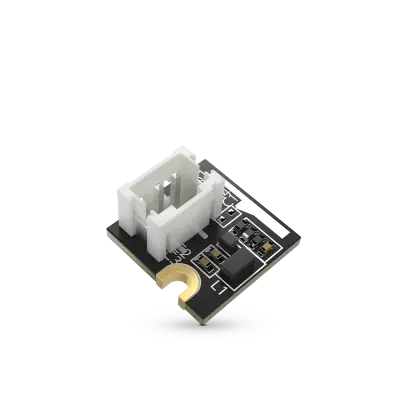
Boost converter module 3.3 V to 12 V 50 mA · Ref. : 110155
Price on request
No advertising or analytics cookies. A single, strictly necessary cookie is set only if you sign in to your account. Your quote basket and comparison stay in your browser. Details