PIM547
Pico Breakout Garden Pack
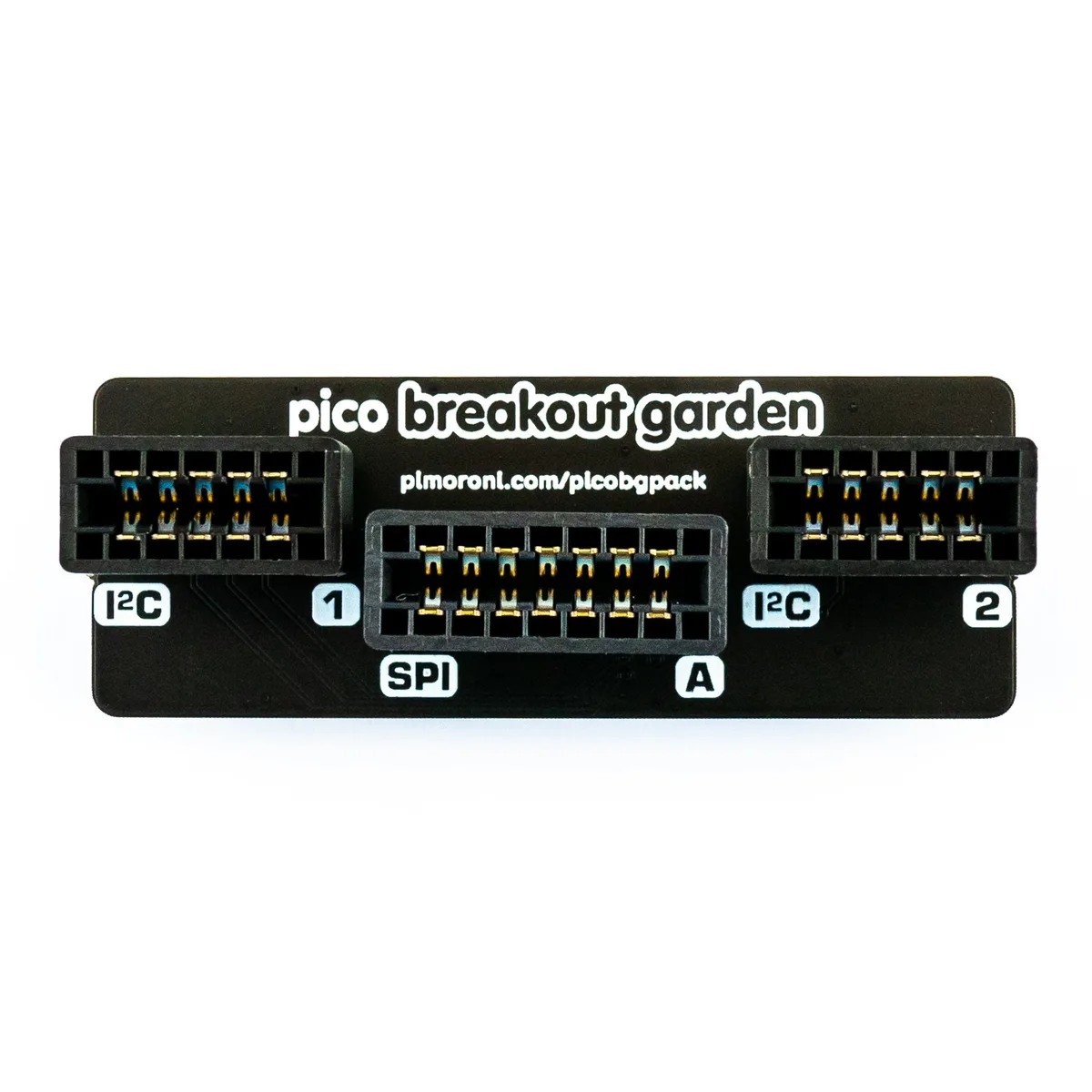
Limited record: this part has neither specifications nor a datasheet in the catalog yet. It is shown for reference and is not indexed.
Pico Breakout Garden Pack
Maker, Prototyping, Open-Hardware & Developer Boards
Pimoroni PIM547, listed under “Maker, Prototyping, Open-Hardware & Developer Boards”.
An easy, solderless, swappable way to use breakouts with your Raspberry Pi Pico - add up to three Pimoroni breakouts (2 x I2C and 1 x SPI) to the sturdy slots and get coding and creating!
Pico Breakout Garden Pack gloms onto the back of your Pico and lets you connect up to three of our extensive selection of Pimoroni breakouts. Whether it's environmental sensors so you can keep track of the temperature and humidity in your office, a whole host of little screens for important notifications and readouts, and, of course, LEDs. Scroll down for a list of breakouts that are currently compatible with our C++/MicroPython libraries!
The three sturdy black slots are edge connectors that connect the breakouts to the pins on your Pico. There's one slot for SPI breakouts (like our 0.96" LCD Breakout or 1.12" SPI OLED Breakout ), and two slots for I2C breakouts. Because I2C is a bus, you can use multiple I2C devices at the same time, providing they don't have the same I2C address (we've made sure that all of our breakouts have different addresses, and we print them on the back of the breakouts so they're easy to find).
As well as being a handy way to add functionality to your Pico, Breakout Garden is also very useful for prototyping projects without the need for complicated wiring, soldering, or breadboards, and you can grow or change up your setup at any time.
If you need more than three breakouts, you might be interested in our Pico Breakout Garden Base. If you want to use other Pico Packs with Pico Breakout Garden Pack, check out Pico Omnibus and Pico Decker!
Features
Three sturdy edge-connector slots for Pimoroni breakouts
2x I2C slots (5 pins)
1x SPI slot (7 pins)
Female headers for attaching to Raspberry Pi Pico
0.1” pitch, 5 or 7 pin connectors
Reverse polarity protection (built into breakouts)
Fully assembled
Compatible with Raspberry Pi Pico (and other pin-compatible boards)
Schematic
About Pico Breakout Garden
Because of the way that I2C (the protocol that Breakout Garden uses) works, it doesn't matter which slot on the Breakout Garden that you plug your breakout into. Each I2C device has an address (you'll see it on the back of each breakout) that it uses to identify itself to other I2C devices, so it's effectively saying "Hey, it's me, Bob!"
We've built reverse polarity protection into our Pimoroni breakouts, meaning that there's no magic blue smoke if you accidentally plug one in the wrong way round. However, the correct way to plug them in is to make sure that the labels on the pins on your breakout and the labels on each Breakout Garden slot match up.
The markings on the base will show you which way round to plug in your Pico - just match up the USB port with the markings on the board.
Pico Breakout Compatibility
We're in the process of writing C++ / MicroPython drivers for as many of our breakouts as possible - here's a list of the breakouts that are currently supported. If you download the most recent version of our custom MicroPython uf2, it will have all these drivers included.
1.54" SPI Colour Square LCD (240x240) Breakout
1.3" SPI Colour Round LCD (240x240) Breakout
1.3" SPI Colour Square LCD (240x240) Breakout
0.96" SPI Colour LCD (160x80) Breakout
LED Dot Matrix Breakout
LTR-559 Light & Proximity Sensor Breakout
11x7 LED Matrix Breakout
5x5 RGB Matrix Breakout
SGP30 Air Quality Sensor Breakout
Trackball Breakout
AS7262 6-channel Spectral Sensor (Spectrometer) Breakout
RGB Encoder Breakout
RGB Potentiometer Breakout
IO Expander Breakout
MICS6814 3-in-1 Gas Sensor Breakout (CO, NO2, NH3)
MSA301 3DoF Motion Sensor Breakout
RV3028 Real-Time Clock (RTC) Breakout
BME680 Breakout - Temperature, Pressure, Humidity & Gas Sensor
BME688 4-in-1 Air Quality Breakout (Gas, Temperature, Pressure, Humidity)
BME280 Breakout - Temperature, Pressure, Humidity Sensor
BMP280 Breakout - Temperature, Pressure and Altitude Sensor
BH1745 - Luminance & Colour Sensor Breakout
PMW3901 Optical Flow Sensor Breakout
PAA5100JE Near Optical Flow SPI Breakout
If your breakout's not yet on the list, you might find Pico-compatible drivers for it in CircuitPython!
Please note that Breakout Garden Pack does not have I2C pull-up resistors. All of our breakouts have their own pull-ups on board, but you may run into problems if you're using CircuitPython and third party breakouts that do not have their own pull-ups.
Getting Started
The most straightforward way of getting started with Pico Breakout Garden Pack is by installing our custom MicroPython build on your Pico - there's a tutorial on how to get set up here.
You can find C examples here and MicroPython examples here.
About Raspberry Pi Pico
Raspberry Pi Pico is a flexible, low cost microcontroller development board from the folks at Raspberry Pi, based on their very own chip - the RP2040. It's easily programmable over USB with C/C++ or MicroPython, and ideal for using in all sorts of physical computing projects, devices and inventions - we're so excited to see what you make with it!
Your Pico will need to have male headers soldered to it (with the pins pointing downwards) to attach to our add-on boards.
No published question about this part yet. Questions are reviewed before publication.
Official documents and the technical data recorded for PIM547. For a missing document or a specific revision, our experts send it to you.
Pimoroni PIM547, listed under “Maker, Prototyping, Open-Hardware & Developer Boards”.
Similar parts to answer your needs. Compare the main characteristics. A recorded replacement is a documented relation; a similar product is a similarity only, never a compatibility claim.
Pico Breakout Garden Pack
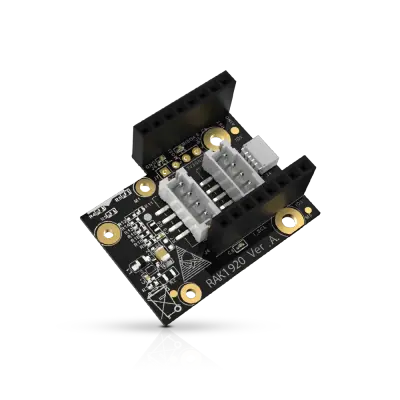
Sensor Adapter for Click, QWIIC and Grove Modules
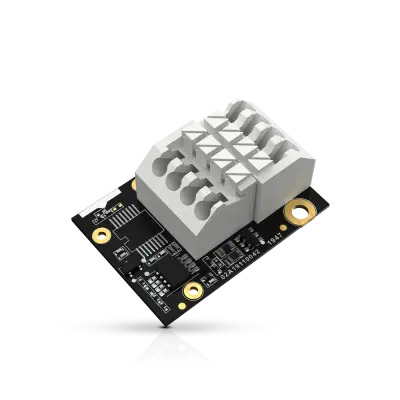
RS485 Module 3PEAK TP8485E
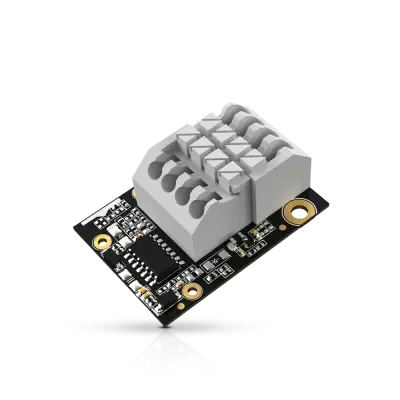
4-20mA Module STMicroelectronics LM2902
Describe your application and constraints in a request.
What is recorded about the regulatory status and the life of this part.
No compliance statement is recorded for this part. Ask the supplier for the RoHS and REACH declarations and, for a radio product, the EU declaration of conformity.
| Current status | Status not stated |
| Key dates | Not recorded |
| Manufacturer part number | PIM547 |
| Manufacturer | Pimoroni |
Maker, Prototyping, Open-Hardware & Developer Boards
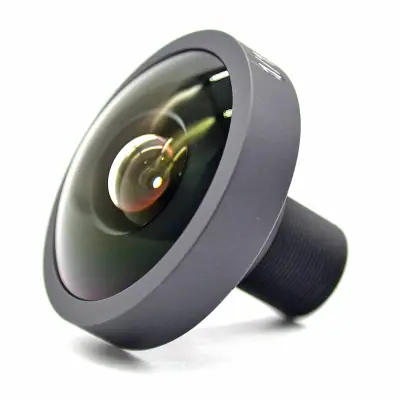
M12 fisheye lens for camera module · Ref. : M12_FISHEYE
Price on request
Maker, Prototyping, Open-Hardware & Developer Boards
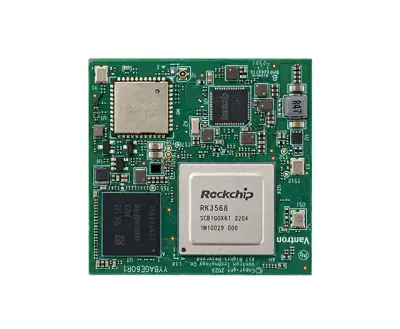
RK3568 System-on-Module with 1 TOPS NPU
Price on request
Maker, Prototyping, Open-Hardware & Developer Boards
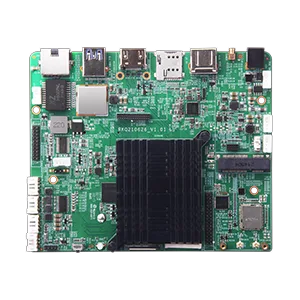
RK3568 Android tablet mainboard with DTV tuner · Ref. : K3-3568
Price on request
Maker, Prototyping, Open-Hardware & Developer Boards
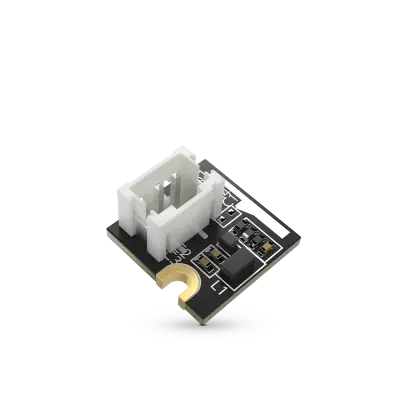
Boost converter module 3.3 V to 12 V 50 mA · Ref. : 110155
Price on request
No advertising or analytics cookies. A single, strictly necessary cookie is set only if you sign in to your account. Your quote basket and comparison stay in your browser. Details