PIM736
Programmable RGB LED Matrix with Pico 2 W
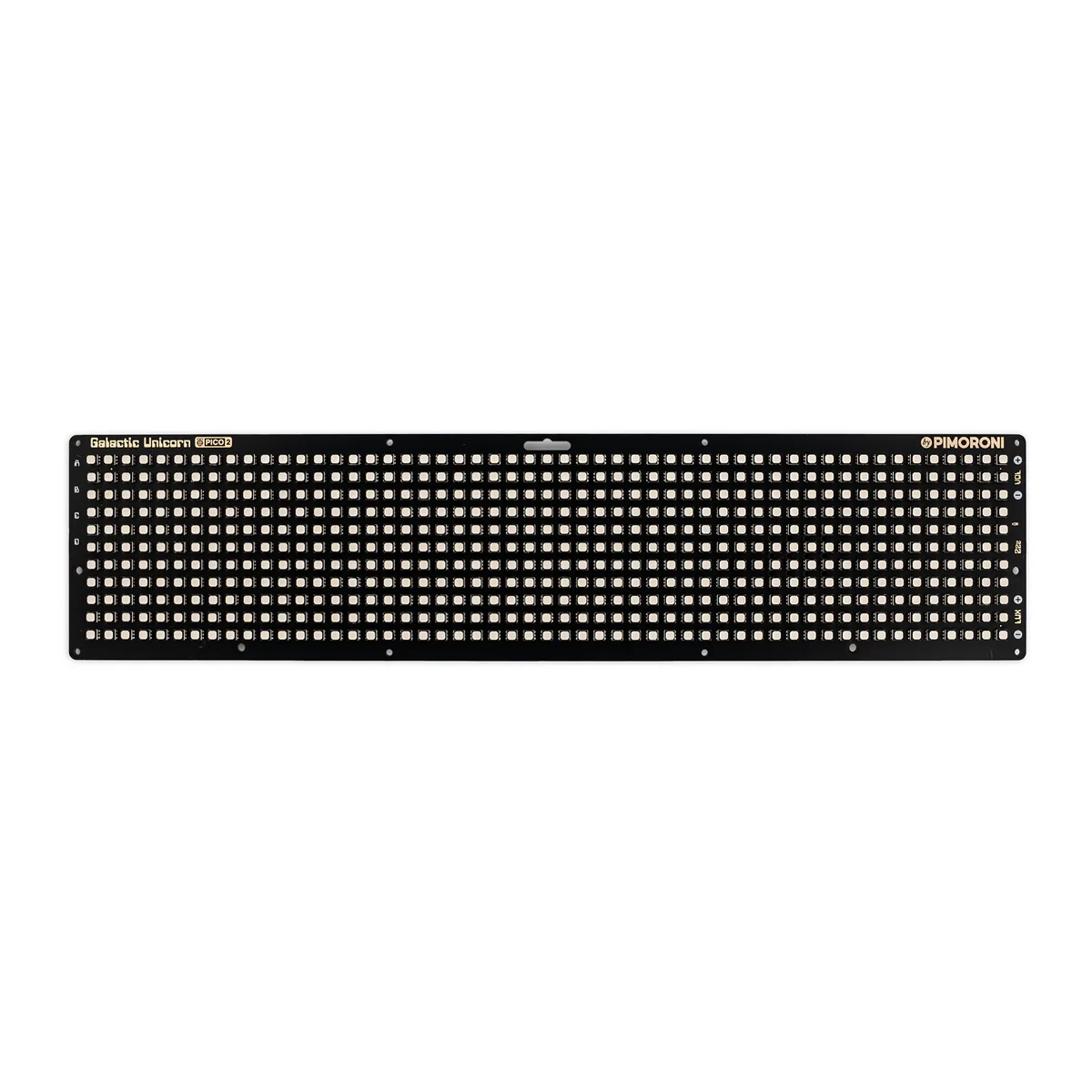
Limited record: this part has neither specifications nor a datasheet in the catalog yet. It is shown for reference and is not indexed.
Programmable RGB LED Matrix with Pico 2 W
Maker, Prototyping, Open-Hardware & Developer Boards
Programmable RGB LED matrix with an integrated Raspberry Pi Pico 2 W, for displaying information, clocks or sensor data. Available in three sizes.
Overview. The Pimoroni PIM736 Pico 2 W Unicorn is an all-in-one programmable RGB LED matrix built around the RP2350 microcontroller of the Raspberry Pi Pico 2 W. It is supplied fully assembled, with no soldering required.
Main characteristics. Each RGB LED offers individual colour and brightness control. The 3.5 mm LEDs with rounded square apertures are spaced 6 mm apart and driven by FM6047 constant current LED drivers. The RP2350 allows fast updates, around 300 fps at 14-bit precision according to the manufacturer, without strobing when filmed.
Available sizes. Cosmic: 1024 LEDs in a 32 x 32 square grid, dimensions 204 x 204 x 10.2 mm. Galactic: 583 LEDs in a 53 x 11 wide grid, dimensions 330 x 78 x 10.2 mm. Stellar: 256 LEDs in a 16 x 16 square grid, dimensions 108 x 108 x 10.2 mm.
Connectivity and interfaces. 2.4 GHz wireless communication via the Pico 2 W, two Qw/ST (Qwiic/STEMMA QT) connectors, a JST-PH connector for a battery (5.5 V maximum), and a USB micro-B port for power and programming. A phototransistor measures ambient light and nine tactile user buttons are integrated.
Technical characteristics. Dual Arm Cortex-M33 processor running at up to 150 MHz, 520 KB of SRAM, 4 MB of QSPI flash supporting XiP. MAX98357 3.2 W I2S mono amplifier with a 30 mm 1 W speaker.
Typical uses. Displaying clocks, weather data retrieved from the internet, or sensor outputs, using the Qwiic/STEMMA QT connectors and the wireless module.
Programming. Programmable in C/C++ or MicroPython. Schematics are available for the Stellar, Galactic and Cosmic variants.
No published question about this part yet. Questions are reviewed before publication.
Official documents and the technical data recorded for PIM736. For a missing document or a specific revision, our experts send it to you.
Programmable RGB LED matrix with an integrated Raspberry Pi Pico 2 W, for displaying information, clocks or sensor data. Available in three sizes.
Similar parts to answer your needs. Compare the main characteristics. A recorded replacement is a documented relation; a similar product is a similarity only, never a compatibility claim.
Programmable RGB LED Matrix with Pico 2 W
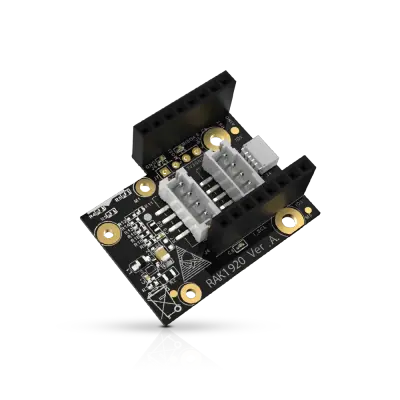
Sensor Adapter for Click, QWIIC and Grove Modules
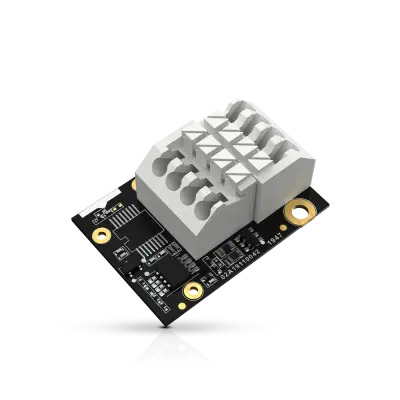
RS485 Module 3PEAK TP8485E
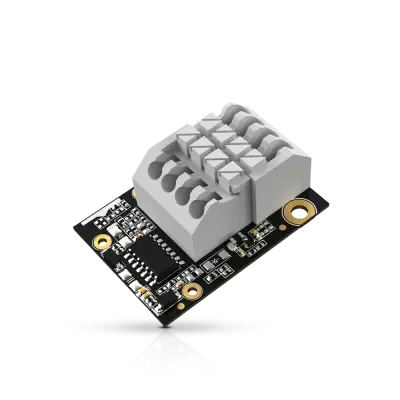
4-20mA Module STMicroelectronics LM2902
Describe your application and constraints in a request.
What is recorded about the regulatory status and the life of this part.
No compliance statement is recorded for this part. Ask the supplier for the RoHS and REACH declarations and, for a radio product, the EU declaration of conformity.
| Current status | Status not stated |
| Key dates | Not recorded |
| Manufacturer part number | PIM736 |
| Manufacturer | Pimoroni |
Maker, Prototyping, Open-Hardware & Developer Boards
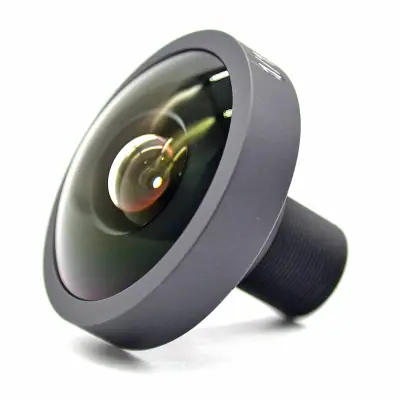
M12 fisheye lens for camera module · Ref. : M12_FISHEYE
Price on request
Maker, Prototyping, Open-Hardware & Developer Boards
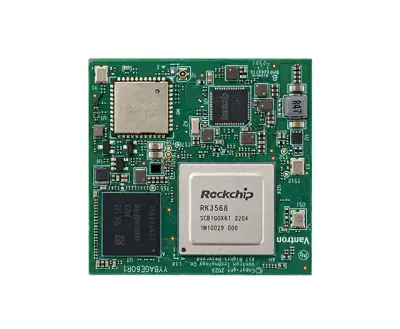
RK3568 System-on-Module with 1 TOPS NPU
Price on request
Maker, Prototyping, Open-Hardware & Developer Boards
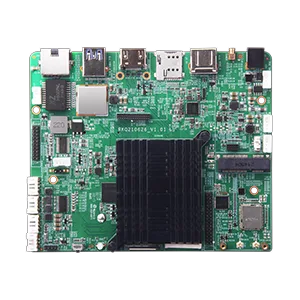
RK3568 Android tablet mainboard with DTV tuner · Ref. : K3-3568
Price on request
Maker, Prototyping, Open-Hardware & Developer Boards
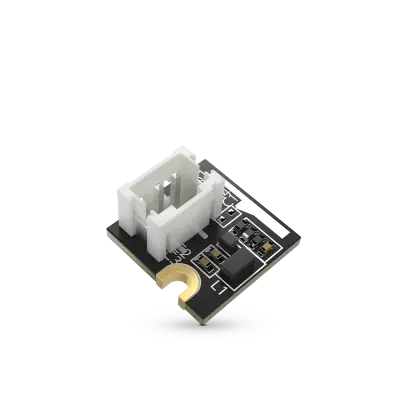
Boost converter module 3.3 V to 12 V 50 mA · Ref. : 110155
Price on request
No advertising or analytics cookies. A single, strictly necessary cookie is set only if you sign in to your account. Your quote basket and comparison stay in your browser. Details