PIM741
Picade Max USB Controller
Limited record: this part has neither specifications nor a datasheet in the catalog yet. It is shown for reference and is not indexed.
Picade Max USB Controller
Maker, Prototyping, Open-Hardware & Developer Boards
Pimoroni PIM741, listed under “Maker, Prototyping, Open-Hardware & Developer Boards”.
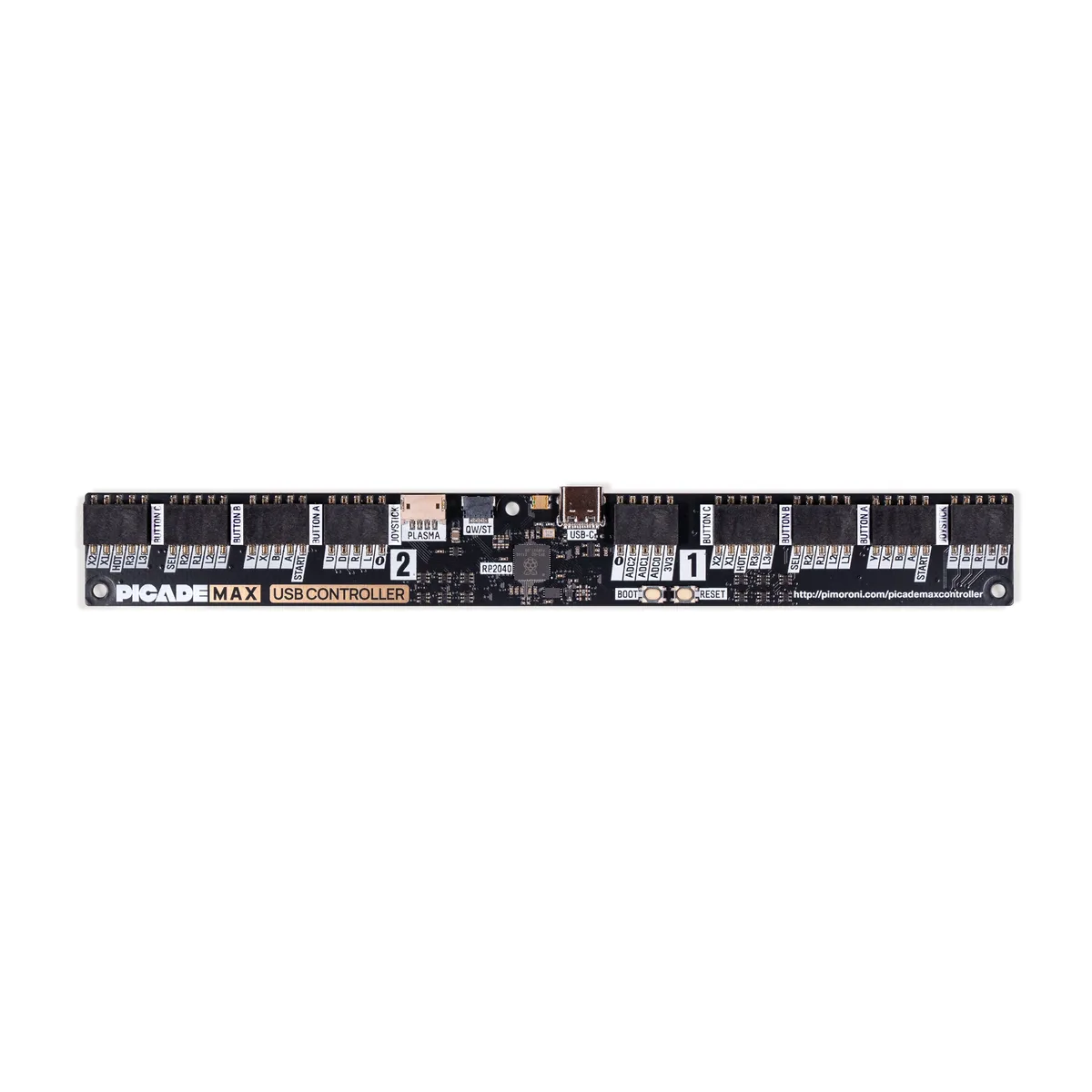
Connect joysticks and up to 30 arcade buttons to this RP2040-powered board to make your own homebrew two player games controller.
This loooong board connects to your PC, Mac, or Linux machine with a standard USB-C cable, and appears as a USB games controller. Then it's just a matter of adding some arcade buttons and joysticks (we sell them separately, and also bundled in our Arcade Parts Kit )!
The buttons and joysticks plug into the board with DuPont pin connectors, which you'll find on one end of our wiring loom. There's also a connector to add Plasma Buttons if you want to add some rainbow-illuminated button-bashing to your games controller.
Features
Powered by RP2040
Dual ARM Cortex M0+ with 264kB of SRAM
2MB of QSPI flash supporting XiP
Easy DuPont socket connectors for attaching buttons and joysticks
2x 4-way joystick inputs
30x (!) arcade button inputs
3x ADC inputs (plus 3V3 power and ground)
USB-C connector
Plasma button connector
Qw/ST (Qwiic/STEMMA QT) connector
Status LED
BOOT and RESET buttons
Fully-assembled (no soldering required)
C firmware
Schematic
Resources
Part 4 of our Picade Max assembly guide shows how to wire this board up to a joystick and buttons.
Instructions how to update the firmware can be found here.
Notes
Note that the firmware we provide for this board is written in C to ensure best performance, but it would be possible to write alternative software using other RP2040 programming methods (MicroPython / CircuitPython).
About RP2040
Raspberry Pi's RP2040 microcontroller is a dual core ARM Cortex M0+ running at up to 133Mhz. It bundles in 264kB of SRAM, 30 multifunction GPIO pins (including a four channel 12-bit ADC), a heap of standard peripherals (I2C, SPI, UART, PWM, clocks, etc), and USB support.
One very exciting feature of RP2040 is the programmable IOs which allow you to execute custom programs that can manipulate GPIO pins and transfer data between peripherals - they can offload tasks that require high data transfer rates or precise timing that traditionally would have required a lot of heavy lifting from the CPU.
No published question about this part yet. Questions are reviewed before publication.
Official documents and the technical data recorded for PIM741. For a missing document or a specific revision, our experts send it to you.
Pimoroni PIM741, listed under “Maker, Prototyping, Open-Hardware & Developer Boards”.
Similar parts to answer your needs. Compare the main characteristics. A recorded replacement is a documented relation; a similar product is a similarity only, never a compatibility claim.
Picade Max USB Controller
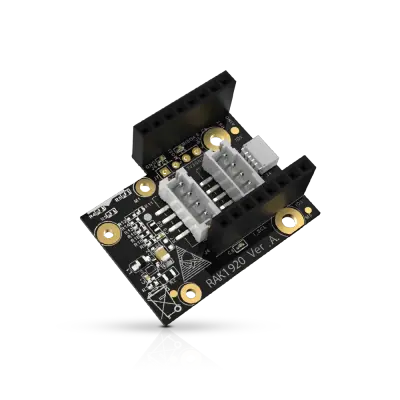
Sensor Adapter for Click, QWIIC and Grove Modules
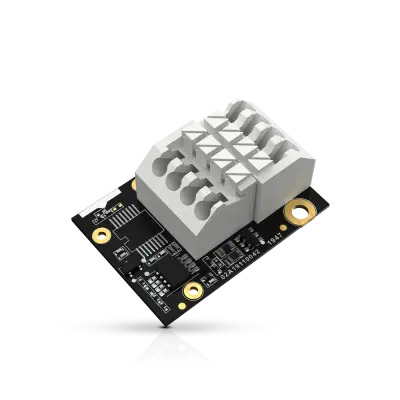
RS485 Module 3PEAK TP8485E
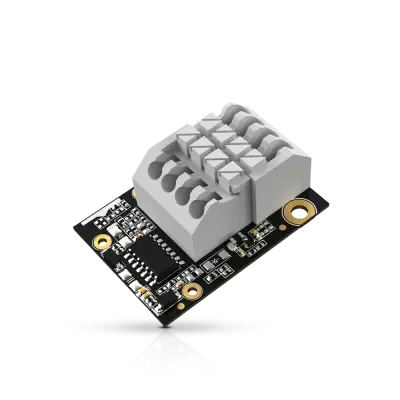
4-20mA Module STMicroelectronics LM2902
Describe your application and constraints in a request.
What is recorded about the regulatory status and the life of this part.
No compliance statement is recorded for this part. Ask the supplier for the RoHS and REACH declarations and, for a radio product, the EU declaration of conformity.
| Current status | Status not stated |
| Key dates | Not recorded |
| Manufacturer part number | PIM741 |
| Manufacturer | Pimoroni |
Maker, Prototyping, Open-Hardware & Developer Boards
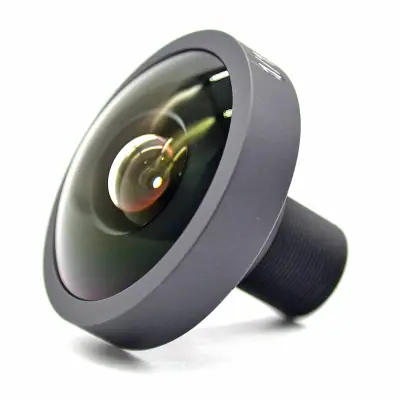
M12 fisheye lens for camera module · Ref. : M12_FISHEYE
Price on request
Maker, Prototyping, Open-Hardware & Developer Boards
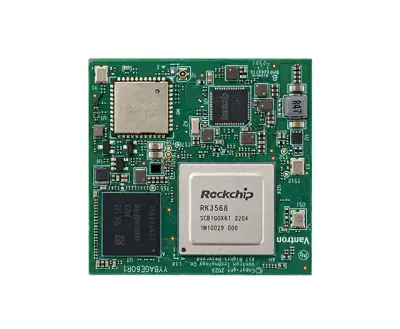
RK3568 System-on-Module with 1 TOPS NPU
Price on request
Maker, Prototyping, Open-Hardware & Developer Boards
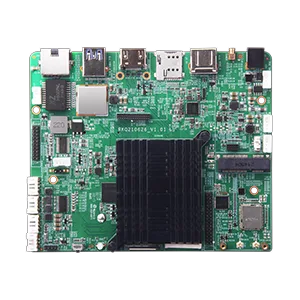
RK3568 Android tablet mainboard with DTV tuner · Ref. : K3-3568
Price on request
Maker, Prototyping, Open-Hardware & Developer Boards
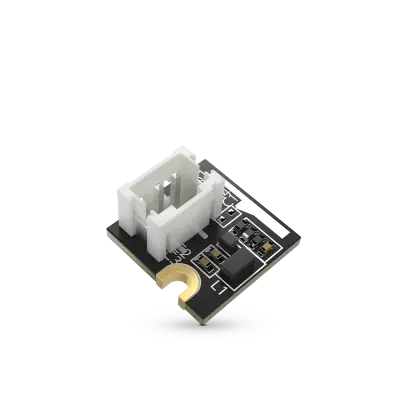
Boost converter module 3.3 V to 12 V 50 mA · Ref. : 110155
Price on request
No advertising or analytics cookies. A single, strictly necessary cookie is set only if you sign in to your account. Your quote basket and comparison stay in your browser. Details