PIM742
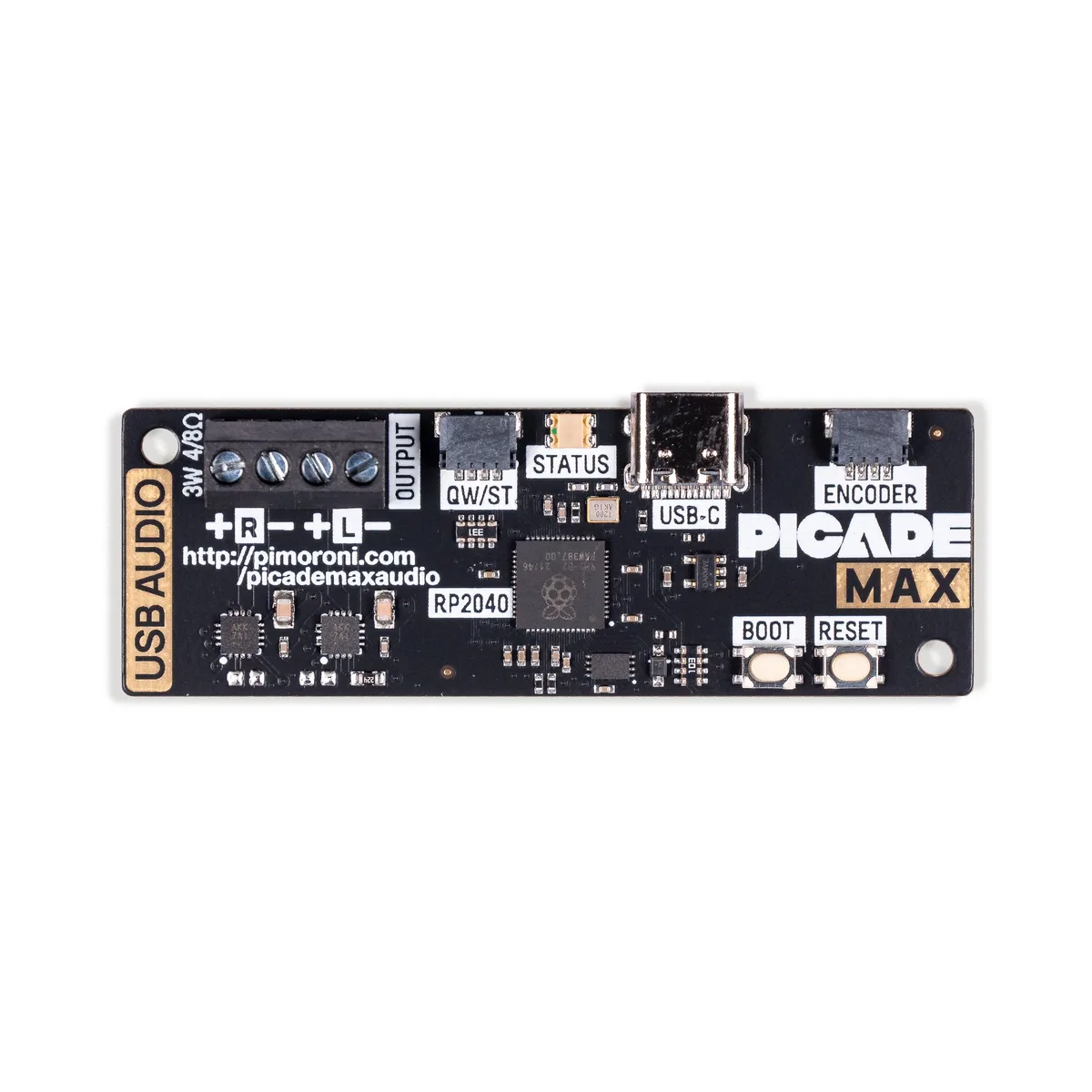
Picade Max USB Audio
Limited record: this part has neither specifications nor a datasheet in the catalog yet. It is shown for reference and is not indexed.
Picade Max USB Audio
Maker, Prototyping, Open-Hardware & Developer Boards
Pimoroni PIM742, listed under “Maker, Prototyping, Open-Hardware & Developer Boards”.
Connect a pair of small speakers up to a Raspberry Pi (or other computer) easily with this RP2040-powered USB-C sound card/3W stereo amplifier.
We made this RP2040 board to drive the speakers on Picade Max, but we thought it might also be useful for other builds where you want to connect some speakers up over USB-C - especially since 3.5mm audio jacks are now starting to become somewhat of a rarity!
There are two screw terminals to connect the wires from your speakers, you'll need a 2mm or 2.5mm flat blade screwdriver for this. Once it's plugged into your computer, you may need to set this board as your default audio output device (in Raspberry Pi OS you can right click on the speaker in the menu bar ).
Need some speakers? Check out the recommendations in the extras! >
Features
Powered by RP2040
Dual ARM Cortex M0+ with 264kB of SRAM
2MB of QSPI flash supporting XiP
2 x screw terminals to attach speakers
I2S audio DAC with 3W stereo amplifier
Connector to add encoder for volume control
USB-C connector
Qw/ST (Qwiic/STEMMA QT) connector
Status LED
BOOT and RESET buttons
Fully-assembled (no soldering required)
C firmware
Schematic
About RP2040
Raspberry Pi's RP2040 microcontroller is a dual core ARM Cortex M0+ running at up to 133Mhz. It bundles in 264kB of SRAM, 30 multifunction GPIO pins (including a four channel 12-bit ADC), a heap of standard peripherals (I2C, SPI, UART, PWM, clocks, etc), and USB support.
One very exciting feature of RP2040 is the programmable IOs which allow you to execute custom programs that can manipulate GPIO pins and transfer data between peripherals - they can offload tasks that require high data transfer rates or precise timing that traditionally would have required a lot of heavy lifting from the CPU.
No published question about this part yet. Questions are reviewed before publication.
Official documents and the technical data recorded for PIM742. For a missing document or a specific revision, our experts send it to you.
Pimoroni PIM742, listed under “Maker, Prototyping, Open-Hardware & Developer Boards”.
Similar parts to answer your needs. Compare the main characteristics. A recorded replacement is a documented relation; a similar product is a similarity only, never a compatibility claim.
Picade Max USB Audio
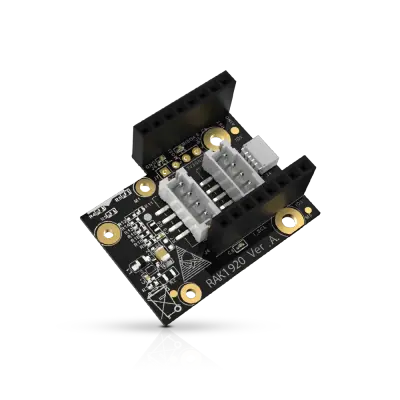
Sensor Adapter for Click, QWIIC and Grove Modules
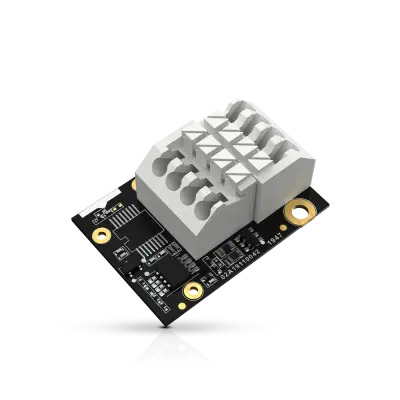
RS485 Module 3PEAK TP8485E
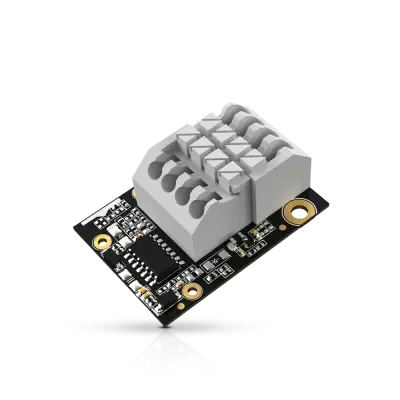
4-20mA Module STMicroelectronics LM2902
Describe your application and constraints in a request.
What is recorded about the regulatory status and the life of this part.
No compliance statement is recorded for this part. Ask the supplier for the RoHS and REACH declarations and, for a radio product, the EU declaration of conformity.
| Current status | Status not stated |
| Key dates | Not recorded |
| Manufacturer part number | PIM742 |
| Manufacturer | Pimoroni |
Maker, Prototyping, Open-Hardware & Developer Boards
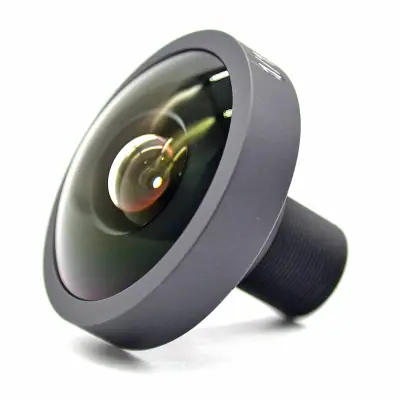
M12 fisheye lens for camera module · Ref. : M12_FISHEYE
Price on request
Maker, Prototyping, Open-Hardware & Developer Boards
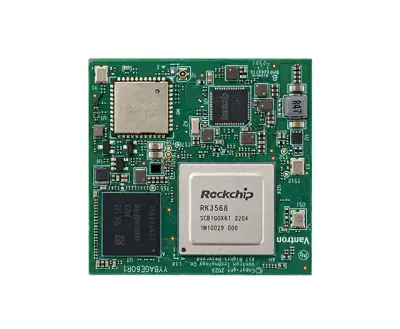
RK3568 System-on-Module with 1 TOPS NPU
Price on request
Maker, Prototyping, Open-Hardware & Developer Boards
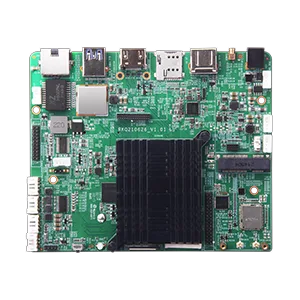
RK3568 Android tablet mainboard with DTV tuner · Ref. : K3-3568
Price on request
Maker, Prototyping, Open-Hardware & Developer Boards
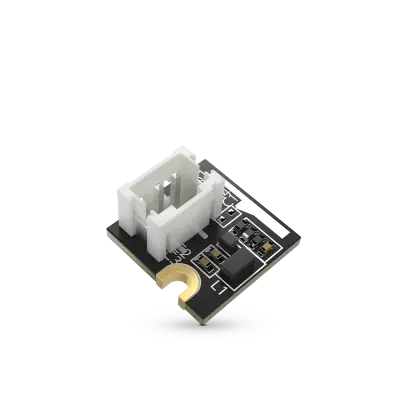
Boost converter module 3.3 V to 12 V 50 mA · Ref. : 110155
Price on request
No advertising or analytics cookies. A single, strictly necessary cookie is set only if you sign in to your account. Your quote basket and comparison stay in your browser. Details