113990056
Sub-GHz RF serial UART data transceiver module
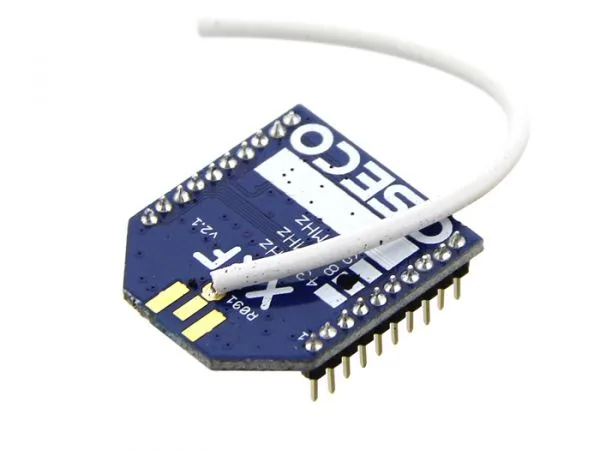
Limited record: this part has neither specifications nor a datasheet in the catalog yet. It is shown for reference and is not indexed.

Sub-GHz RF serial UART data transceiver module
Maker, Prototyping, Open-Hardware & Developer Boards
Seeed Studio sub-GHz radio module (XRF) providing a transparent UART serial link without configuration, with XBee pin layout, for wireless nodes and embedded prototypes.
Overview. The Seeed Studio XRF is a sub-GHz radio module providing a transparent UART serial link, with an XBee-style pin layout at 2 mm pitch. It operates in the 868 to 915 MHz ISM bands and ships with preloaded firmware that transfers serial data without any programming or configuration.
Main characteristics. Only four connections are required for transparent serial mode: power (PWR), ground (GND), receive (RX) and transmit (TX). The module supports the PANID network identifier to separate several networks, and it interoperates with all other Ciseco RF modules. Its data lines are 5 V tolerant, so it can be connected directly to a 5 V microcontroller without level conversion. It is built around the Texas Instruments CC1110 low-power system-on-chip, which integrates a microcontroller unit, memory, a sub-1 GHz transceiver and an encryption engine.
Interfaces and connectivity. The module connects through a serial UART link. It supports remote Arduino and Xino over-the-air programming, and firmware updates through serial bootloading using only the RX and TX lines, without a hardware programmer. It can also be programmed in its own right using a TI cc debugger, which requires considerable experience in C.
Typical uses. The XRF is a drop-in replacement for series 1 modules in most serial applications. Combined with Ciseco personalities and the LLAP protocol, it can be configured as a wireless sensor or actuator. It fits Seeed Studio sensor and actuator boards, Arduino shields and Raspberry Pi add-on boards to form wireless nodes. According to the manufacturer, range exceeds 500 m with the supplied whip antenna, and the sub-GHz band penetrates walls better than 2.4 GHz solutions.
No published question about this part yet. Questions are reviewed before publication.
Official documents and the technical data recorded for 113990056. For a missing document or a specific revision, our experts send it to you.
Seeed Studio sub-GHz radio module (XRF) providing a transparent UART serial link without configuration, with XBee pin layout, for wireless nodes and embedded prototypes.
Similar parts to answer your needs. Compare the main characteristics. A recorded replacement is a documented relation; a similar product is a similarity only, never a compatibility claim.
Sub-GHz RF serial UART data transceiver module
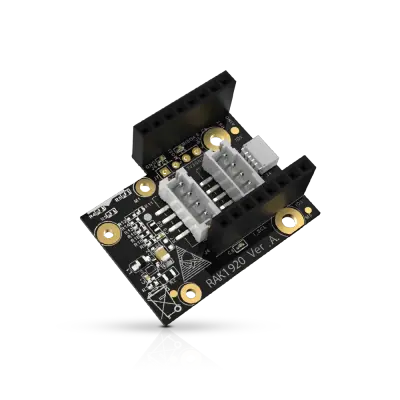
Sensor Adapter for Click, QWIIC and Grove Modules
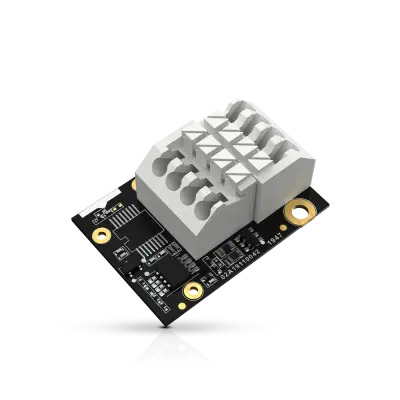
RS485 Module 3PEAK TP8485E
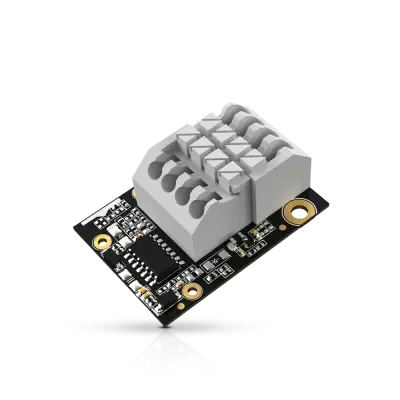
4-20mA Module STMicroelectronics LM2902
Describe your application and constraints in a request.
What is recorded about the regulatory status and the life of this part.
No compliance statement is recorded for this part. Ask the supplier for the RoHS and REACH declarations and, for a radio product, the EU declaration of conformity.
| Current status | Status not stated |
| Key dates | Not recorded |
| Manufacturer part number | 113990056 |
| Manufacturer | Seeed Studio |
Maker, Prototyping, Open-Hardware & Developer Boards
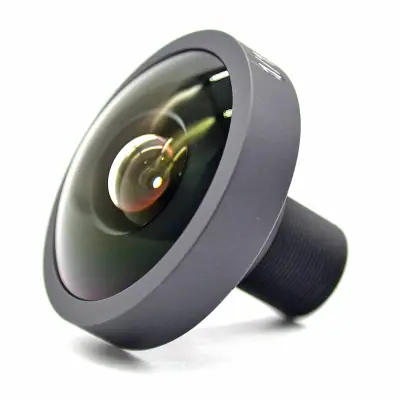
M12 fisheye lens for camera module · Ref. : M12_FISHEYE
Price on request
Maker, Prototyping, Open-Hardware & Developer Boards
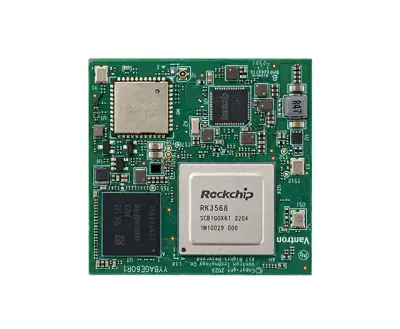
RK3568 System-on-Module with 1 TOPS NPU
Price on request
Maker, Prototyping, Open-Hardware & Developer Boards
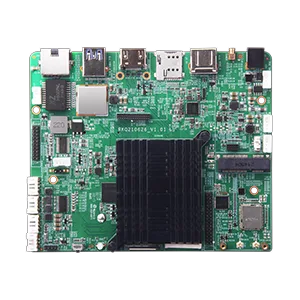
RK3568 Android tablet mainboard with DTV tuner · Ref. : K3-3568
Price on request
Maker, Prototyping, Open-Hardware & Developer Boards
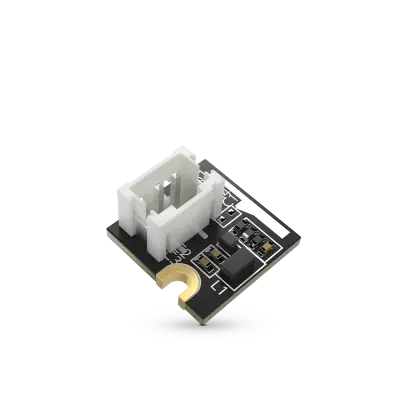
Boost converter module 3.3 V to 12 V 50 mA · Ref. : 110155
Price on request
No advertising or analytics cookies. A single, strictly necessary cookie is set only if you sign in to your account. Your quote basket and comparison stay in your browser. Details