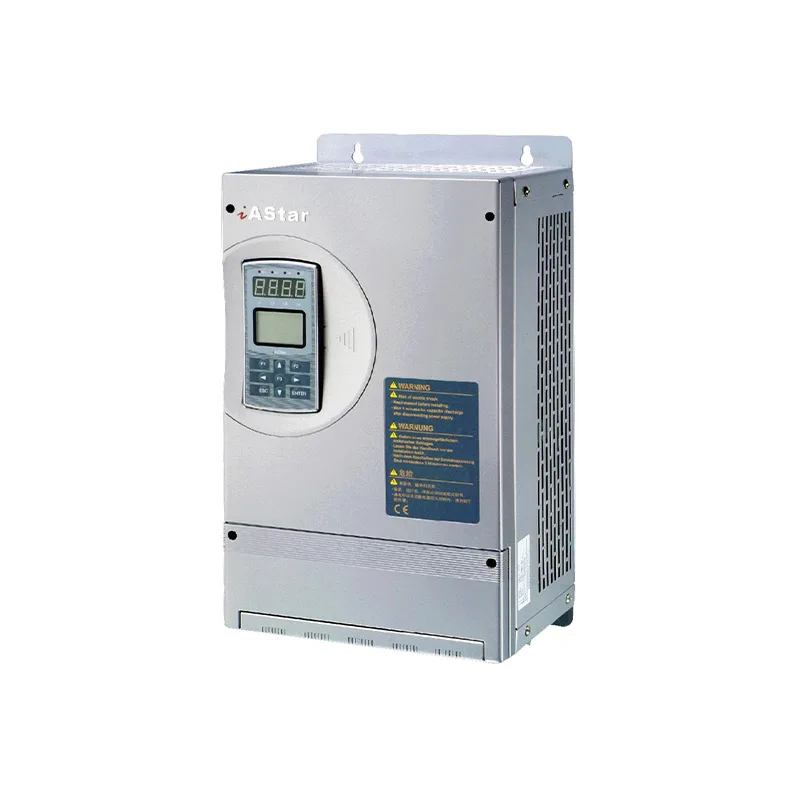
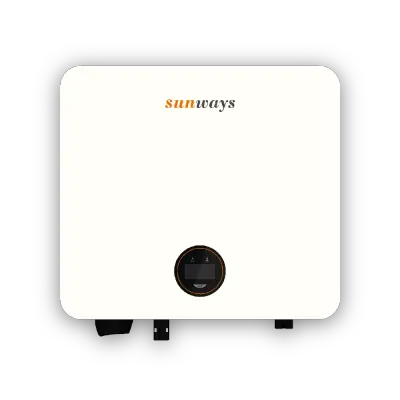
STEP Electric AS320 elevator dedicated inverter, offering PG vector control, precise speed regulation and a built-in braking unit for elevator drive applications.
Frequency control range(0–120) Hz
Allowable frequency variation-5% to +5%
Frequency setting signal(-10 to +10) V
Allowable voltage variation-15% to +10%
Commodity nameAS320 Elevator Dedicated Inverter
Product overview
Overview. The STEP Electric AS320 is an elevator dedicated inverter, designed to drive motors in elevator installations.
Main characteristics. The inverter covers an output frequency range of 0 to 120 Hz. It offers PG vector control, voltage vector V/F control, open-loop vector control and torque control. Speed control accuracy is ±0.02 % with PG vector control at (25±10) °C, with a speed control range of 1:1000 with PG vector control and 1:200 without PG vector control. Frequency setting resolution is ±0.01 % for digital commands and ±0.1 % for analog commands.
Interfaces and signals. The analog frequency setting signal accepts (-10 to +10) V.
Braking and power supply. Braking torque reaches 150 % with an external braking resistor, and a braking unit is built into the inverter. It tolerates a supply frequency variation of -5 % to +5 % and a voltage variation of -15 % to +10 %.
Typical uses. This inverter is intended for elevator motor drive, including elevator renovation projects.
Technology. The inverter is based on a 32-bit digital signal processor dedicated to motors, a complex programmable logic device (CPLD) and an intelligent power module (IPM).
Official documents and the technical data recorded for AS320. For a missing document or a specific revision, our experts send it to you.
1. Technical overview
STEP Electric AS320 elevator dedicated inverter, offering PG vector control, precise speed regulation and a built-in braking unit for elevator drive applications.
Frequency control range(0–120) Hz
Allowable frequency variation-5% to +5%
Frequency setting signal(-10 to +10) V
Allowable voltage variation-15% to +10%
Commodity nameAS320 Elevator Dedicated Inverter
2. Datasheet extract (recorded values)
Parameter
Value
Allowable frequency variation
-5% to +5%
Allowable voltage variation
-15% to +10%
Braking torque
150% (with external braking resistor), built-in braking unit
Commodity name
AS320 Elevator Dedicated Inverter
Control modes
PG vector control, voltage vector V/F, open-loop vector, torque control
Frequency control range
(0–120) Hz
Frequency setting resolution
±0.01% digital command (-10~+45)℃, ±0.1% analog command (25±10)℃
Frequency setting signal
(-10 to +10) V
Speed control; accuracy
±0.02% with PG vector control (25±10)℃; ±0.02% without PG vector control (25±10)℃
Architectures in which AS320 can play a role, derived from its category. This is not a compatibility statement: check the specifications against your requirements.
Solar panels produce most when nobody is home, and the surplus goes to the grid. A battery with its inverter stores this energy and returns it in the evening, with a meter measuring what the home draws
To check
Panel power and the inverter compatibility of the battery
Usable capacity compared with the evening and night consumption
Local grid connection rules for balcony and home systems
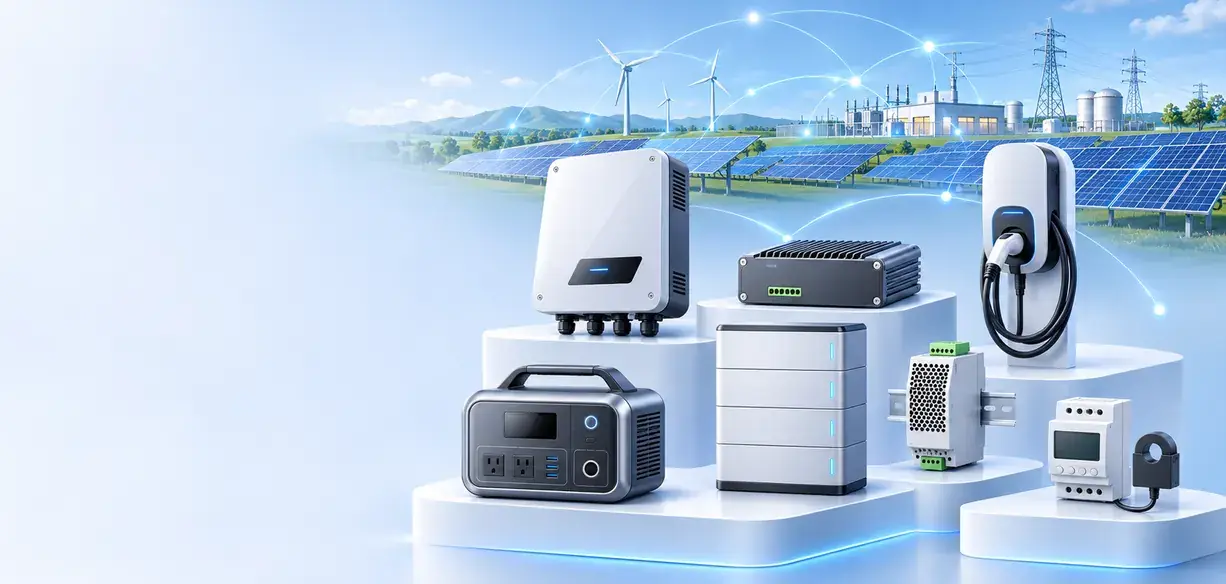
Solar production, storage and charging points on one site are often managed separately. Inverters, batteries, MPPT controllers, meters and chargers form a local energy system that shares production between users
To check
Regulatory framework for collective self-consumption in the country
Energy management system steering storage and charging
Metering accuracy for sharing between participants
Associated system blocks
ProductionStorageMeteringCharging
Need a complete solution?
Send a request for AS320 and the other parts of your project.
Similar parts to answer your needs. Compare the main characteristics. A recorded replacement is a documented relation; a similar product is a similarity only, never a compatibility claim.
What is recorded about the regulatory status and the life of this part.
Regulatory compliance
No compliance statement is recorded for this part. Ask the supplier for the RoHS and REACH declarations and, for a radio product, the EU declaration of conformity.
No advertising or analytics cookies. A single, strictly necessary cookie is set only if you sign in to your account. Your quote basket and comparison stay in your browser. Details