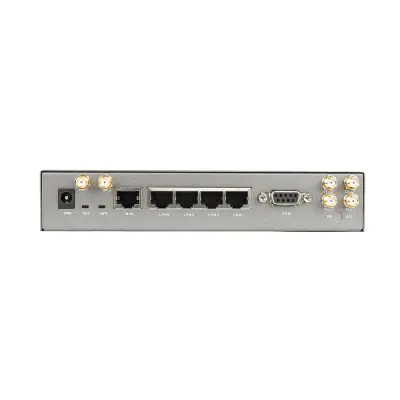
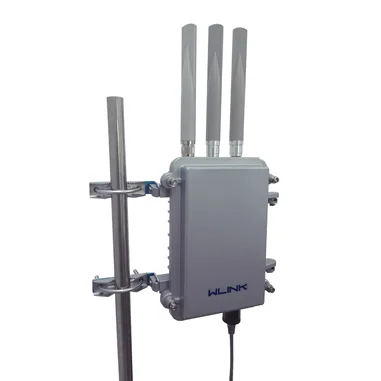
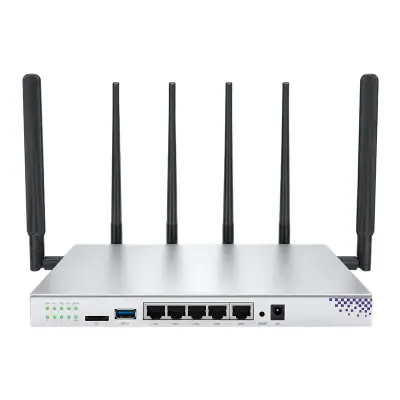
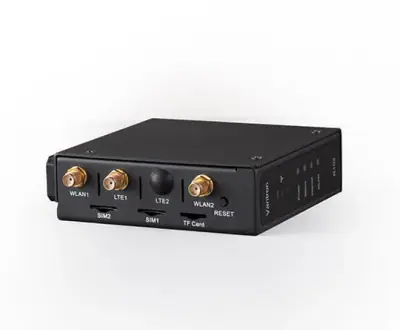
F3936-3736H
4G LTE / LTE-A Industrial Routers
In-vehicle LTE TDD Wi-Fi cellular router
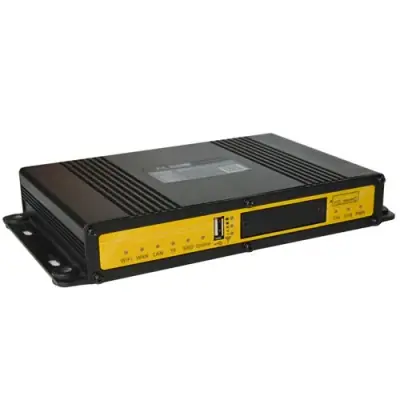
- 256MB
- 244x139x36 mm
Price on request

A SIM identifies the subscriber on a cellular network. It exists as a card in several sizes, soldered (MFF2), or as an eSIM whose operator profile is downloaded.
Nano-SIM is a form factor and MFF2 is a soldered package. Neither label proves remote profile download. For an eSIM router, request details on eUICC support, provisioning, permitted profiles and the management platform. Prove these functions on the shipped variant.
For an alarm or tracker, confirm whether it requires data, SMS or another service. Document the allowed countries and networks, roaming policy, APN and IP service. Test the SIM in the target hardware rather than just a phone.
On a two-slot router with a single modem, verify SIM failover, failback and application recovery. If two links must carry traffic concurrently, verify the actual modem and software capabilities. A dual-SIM label is not enough.
Only when the device and monitoring service need no other service, including during installation or recovery.
Yes, when device, profiles and platform support the intended method. Test activation and failure recovery.
No. Confirm allowed networks and shared dependencies, then exercise the faults in the acceptance plan.
Sources : GSMA · IoT eSIM SGP.32, GSMA · Consumer and IoT eSIM specifications
Parts are matched to this technology by category or description. Confirm support in the datasheet.
4G LTE / LTE-A Industrial Routers
In-vehicle LTE TDD Wi-Fi cellular router
Price on request
4G LTE / LTE-A Industrial Routers
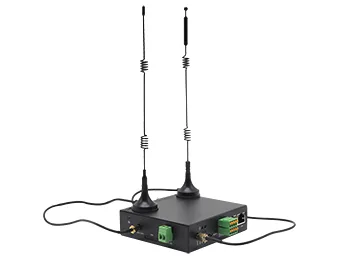
Industrial 4G LTE dual-SIM router with DB9 serial port · Ref. : H720TT-RS232
Price on request
4G LTE / LTE-A Industrial Routers
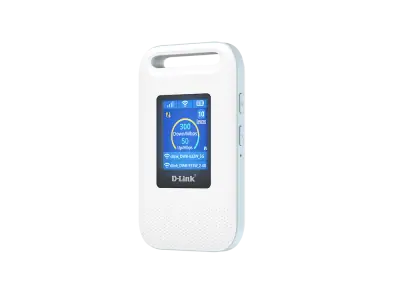
4G LTE+ dual-band Wi-Fi 6 AX600 mobile hotspot router · Ref. : DWR-933W-4G
Price on request
4G LTE / LTE-A Industrial Routers
Industrial 4G LTE gateway with dual Ethernet and RS-232/RS-485 · Ref. : PRO_VIEW-288
Price on request
4G LTE / LTE-A Industrial Routers
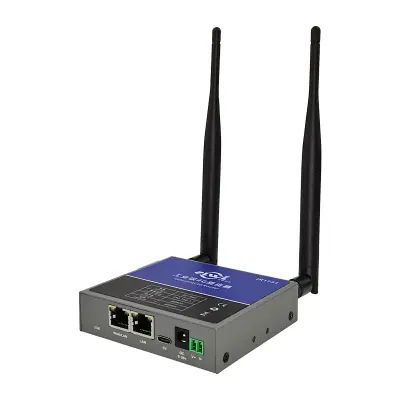
Industrial 4G LTE router with dual Ethernet and dual serial ports · Ref. : IR1000
Price on request
4G LTE / LTE-A Industrial Routers
IP65 waterproof enclosure for outdoor 4G LTE router · Ref. : P0042
Price on request
4G LTE / LTE-A Industrial Routers
Gigabit 4G WiFi Router with SIM and Micro SD Slots · Ref. : WG3526
Price on request
4G LTE / LTE-A Industrial Routers
Industrial 4G LTE router with dual Ethernet and Wi-Fi · Ref. : R102
Price on request
With your consent, we use Google cookies to measure the site’s audience and our advertising. Your quote basket and comparison stay in your browser either way. Details