ONLINE-TURBIDITY-SENSOR
Online turbidity sensor, electrode contact, RS485 Modbus RTU output
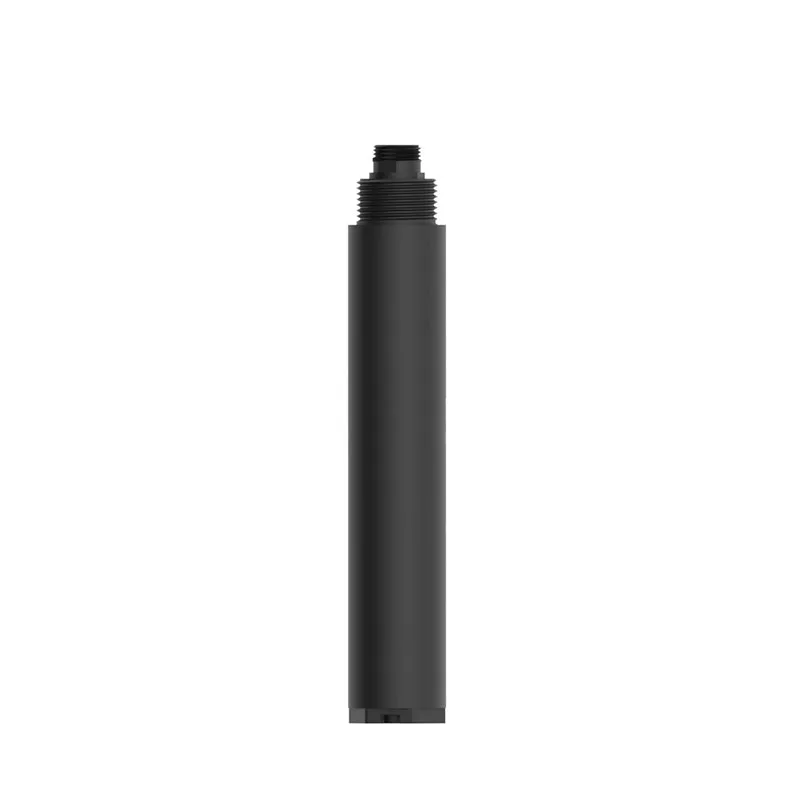
Limited record: this part has neither specifications nor a datasheet in the catalog yet. It is shown for reference and is not indexed.
Online turbidity sensor, electrode contact, RS485 Modbus RTU output
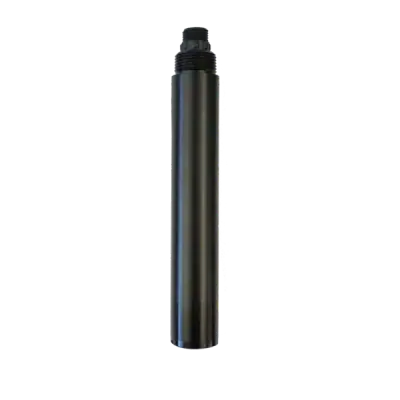
Fengtu FT-S9 online turbidity sensor for continuous measurement of suspended particle concentration in liquids, with RS485 MODBUS-RTU output.
Fengtu FT-S9. The Fengtu FT-S9 online turbidity sensor is an immersed analytical instrument for the continuous measurement of suspended particle concentration. It determines this concentration by light scattering using the 90-degree scattered light method, then outputs a turbidity value compensated for temperature.
Main characteristics. Conductivity measurement range of 0 to 30000 µS/cm (0 to 30 mS/cm), with a resolution of 1 µS/cm, and TDS and salinity measurement from 0 to 10000 ppm (0 to 30 ppt). Measurement accuracy is ±1.5 % and temperature accuracy is ±0.1 °C. Automatic temperature compensation is provided by the M1820Z module. The housing is made of ABS and the standard cable length is 5 metres.
Interfaces and connectivity. The output signal is RS485 with the MODBUS-RTU protocol. The 5-core shielded cable uses a red wire for power, black for ground, green for 485A and white for 485B.
Power and environment. Power supply of 12 to 24 VDC, consumption of 0.4 W at 12 V. Waterproof grade IP68. Operating temperature of 0 to 50 °C, non-freezing, and pressure below 0.2 MPa.
Installation. Immersed installation with NPT 3/4 thread. The sensor must not be installed upside down or horizontally and must be tilted at least 15 degrees. The probe must stay at least 5 cm from the side walls and 10 cm from the bottom of the container.
Typical uses. Continuous turbidity monitoring of water connected to a PLC or supervisory system compatible with Modbus RTU. The sensor can also be integrated into photovoltaic weather stations to collect environmental data.
Maintenance and calibration. The sensor is calibrated at the factory and generally does not require user calibration. Cleaning is done with warm water and mild detergent, avoiding strong vibrations and scratches on the front glass.
No published question about this part yet. Questions are reviewed before publication.
Official documents and the technical data recorded for ONLINE-TURBIDITY-SENSOR. For a missing document or a specific revision, our experts send it to you.
Fengtu FT-S9 online turbidity sensor for continuous measurement of suspended particle concentration in liquids, with RS485 MODBUS-RTU output.
Similar parts to answer your needs. Compare the main characteristics. A recorded replacement is a documented relation; a similar product is a similarity only, never a compatibility claim.
Online turbidity sensor, electrode contact, RS485 Modbus RTU output
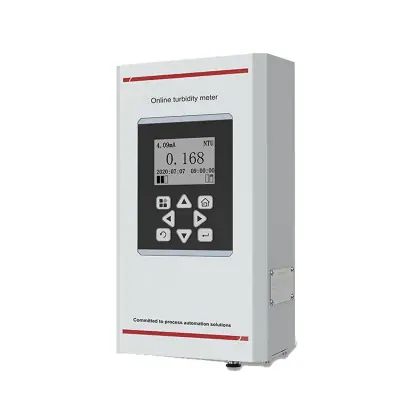
SUP-PTU300 Turbidity meter
ADU1310 Turbidity sensor for data center
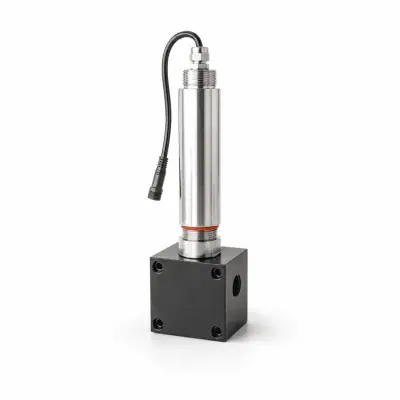
ADU3500 Pressure-resistant Turbidity Sensor for data center
Describe your application and constraints in a request.
What is recorded about the regulatory status and the life of this part.
No compliance statement is recorded for this part. Ask the supplier for the RoHS and REACH declarations and, for a radio product, the EU declaration of conformity.
| Current status | Status not stated |
| Key dates | Not recorded |
| Manufacturer part number | ONLINE-TURBIDITY-SENSOR |
| Manufacturer | Fengtu |
Turbidity Sensors
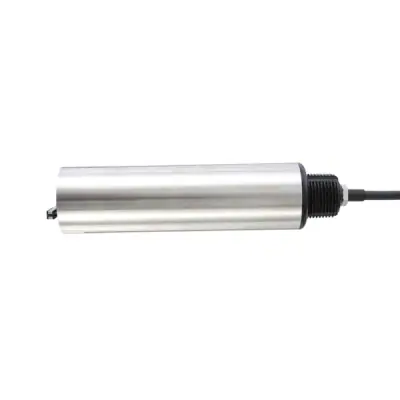
Online turbidity sensor with RS485 and 90-degree optical measurement · Ref. : WQ-TS-4A
Price on request
Turbidity Sensors
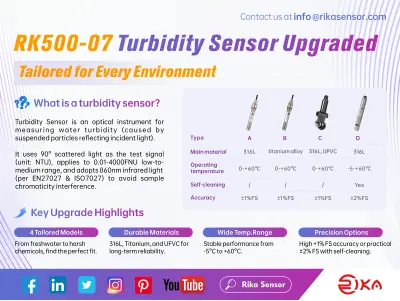
Water Turbidity Sensor, RS485 Output, IP68 · Ref. : RK500-07
Price on request
Turbidity Sensors
IoT digital turbidity sensor with infrared scattered light
Price on request
Turbidity Sensors
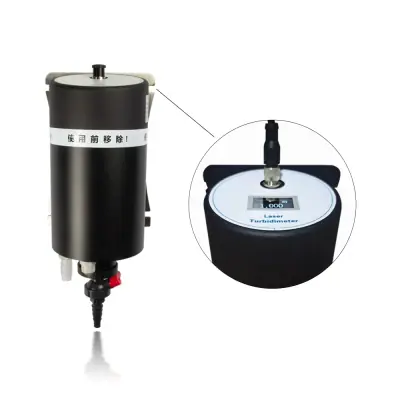
Flow-through laser turbidimeter for freshwater low turbidity · Ref. : 5NTU
Price on request
No advertising or analytics cookies. A single, strictly necessary cookie is set only if you sign in to your account. Your quote basket and comparison stay in your browser. Details