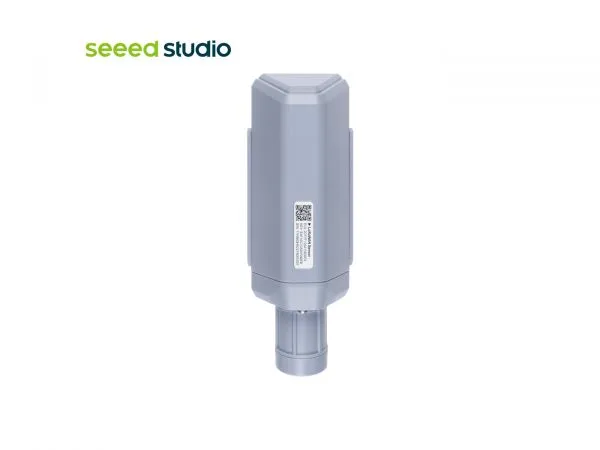
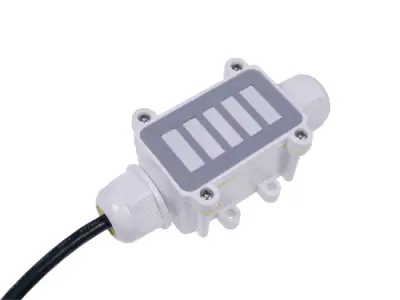
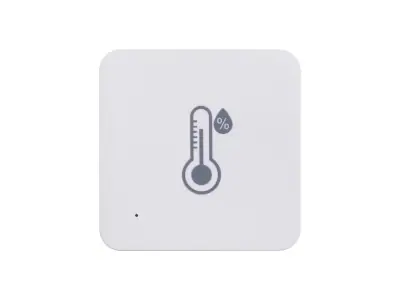
Seeed Studio S2103 LoRaWAN sensor measuring CO2, temperature and humidity, for air quality monitoring both outdoors and indoors.
Range400 to 10000 ppm
IP ratingIP66
AS923AS923_1, AS923_2, AS923_3, AS923_4
AU915-928Sub-band from 1 to 8
Battery Capacity19Ah (non-rechargeable)
Battery LifeUp to 10 years**
Product overview
Overview. The Seeed Studio S2103 LoRaWAN sensor measures CO2 concentration, temperature and humidity in the air. It is intended for environmental monitoring both outdoors and indoors, including greenhouses, livestock sheds, warehouses and cold chains.
Main characteristics. CO2 measurement range of 400 to 10000 ppm, with a resolution of 1 ppm and an accuracy of ±(30 ppm +3% of reading), extended to ±10% of reading. The operating humidity range is 0 to 90 % RH non-condensing, and the operating temperature of the CO2 module is 0 to +50 °C.
Interfaces and connectivity. LoRaWAN v1.0.3 Class A communication with a range of 2 to 10 km depending on gateway antenna and environment. The sensor is compatible with the IN865, EU868, US915, AU915, AS923, KR920 and RU864 channel plans, and supports the AU915-928 band in sub-bands 1 to 8 as well as the US902-928 band in sub-bands 1 to 8. Built-in Bluetooth allows parameters to be changed with a dedicated tool.
Power and environment. Powered by a standard D-size SOCl2 non-rechargeable battery of 19 Ah, with a battery life of up to 10 years. The IP66 enclosure and the operating temperature range of -40 to +85 °C allow use in harsh environments. The device weighs 285 g.
Certifications. The product is certified CE, FCC and RoHS. It is built around a Wio-E5 microcontroller.
Supplied items. The kit includes the sensor node, 2 brackets, a quick start guide and 4 KA4*20 mm self-drilling screws.
Architectures in which 114992869 can play a role, derived from its category. This is not a compatibility statement: check the specifications against your requirements.
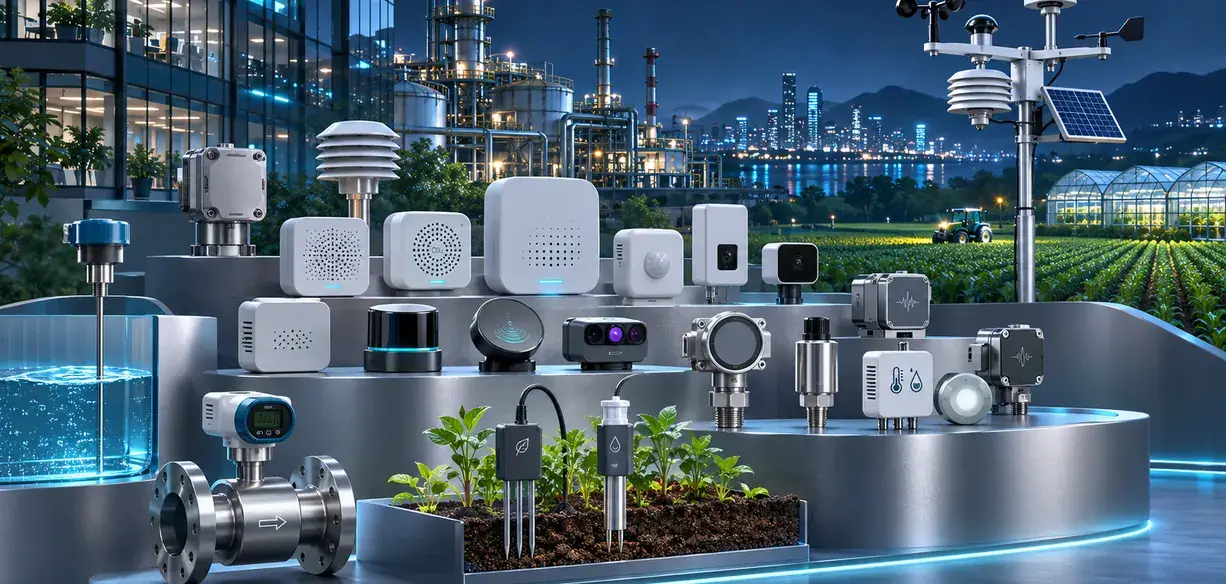
Diseases and water stress are noticed once the crop is already affected. A weather station, soil probes and sensor nodes in the field report conditions through an outdoor gateway
To check
Crops, plots and measurement depth of the soil probes
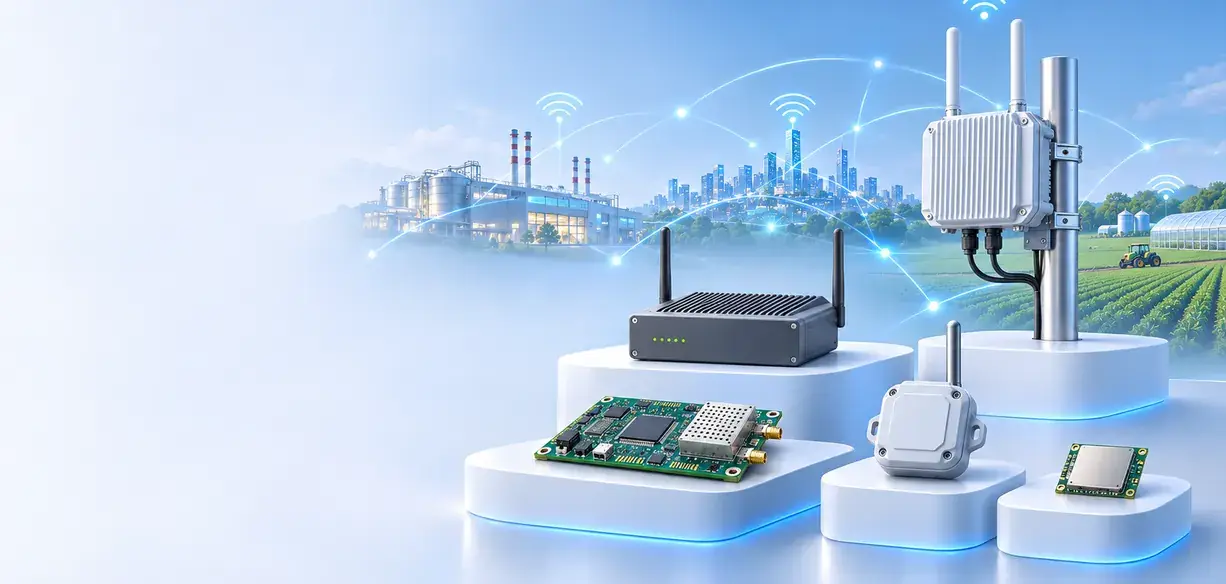
A LoRaWAN project needs sensors, gateways, a network server and an application that work together. Sensor nodes report to indoor or outdoor gateways, which forward the data to the network server and the customer’s platform
To check
Regional frequency plan (EU868, US915 and others)
Network server: public, private or embedded in the gateway
Milesight sensors, LoRaWAN gateways and cellular routers can be brought together on the Milesight Development Platform, which manages the devices and passes their data to other applications through an API and webhooks
To check
Development Platform for device management, API and webhooks, or another network server and application
Devices provisioned through Milesight RPS must have that provisioning removed before being added to the Development Platform
Data flows to the customer’s own application through webhooks
RAKwireless WisGate gateways run WisGateOS 2 and are managed from WisDM, RAKwireless’ cloud device management platform with a built-in network server, alongside RAK sensor nodes, radio modules and concentrators
To check
WisDM built-in network server, or a third-party one (ChirpStack, TTN/TTS, AWS IoT Core, Actility)
Remote configuration and updates of the gateways from WisDM
Regional frequency plan of the gateways and nodes
Associated system blocks
GatewaysSensors and modulesDevelopment boardsMounting
Seeed SenseCAP sensors connect to Seeed’s SenseCAP cloud platform and app, and Seeed edge computers, camera modules, Grove and XIAO boards complete the chain for custom devices and local processing
To check
SenseCAP cloud platform and app, or the customer’s own network server
Prototype on Grove and XIAO, then move to industrial versions
Local processing on the edge computers or in the cloud
Associated system blocks
SensorsEdge computingDevelopment boards
Need a complete solution?
Send a request for 114992869 and the other parts of your project.
Similar parts to answer your needs. Compare the main characteristics. A recorded replacement is a documented relation; a similar product is a similarity only, never a compatibility claim.
SenseCAP SOLO CO2 5000 (A1) - NDIR CO2 Sensor, MODBUS-RTU RS485 & SDI-12
A
The default output of the sensor is RS485 and the slave address is 1. If you need to use SDI-12 output, you need to open the cover and push the button on the board to ''1'' and ''2''. At the same time, check whether the wire sequence is correct.
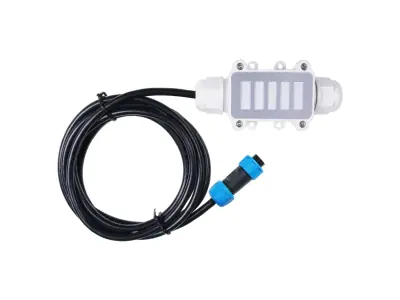
SenseCAP SOLO CO2 5000 (A2) - NDIR CO2 Sensor, MODBUS-RTU RS485 & SDI-12, with Waterproof Aviation Connector
A
The default output of the sensor is RS485 and the slave address is 1. If you need to use SDI-12 output, you need to open the cover and push the button on the board to ''1'' and ''2''. At the same time, check whether the wire sequence is correct.
No advertising or analytics cookies. A single, strictly necessary cookie is set only if you sign in to your account. Your quote basket and comparison stay in your browser. Details